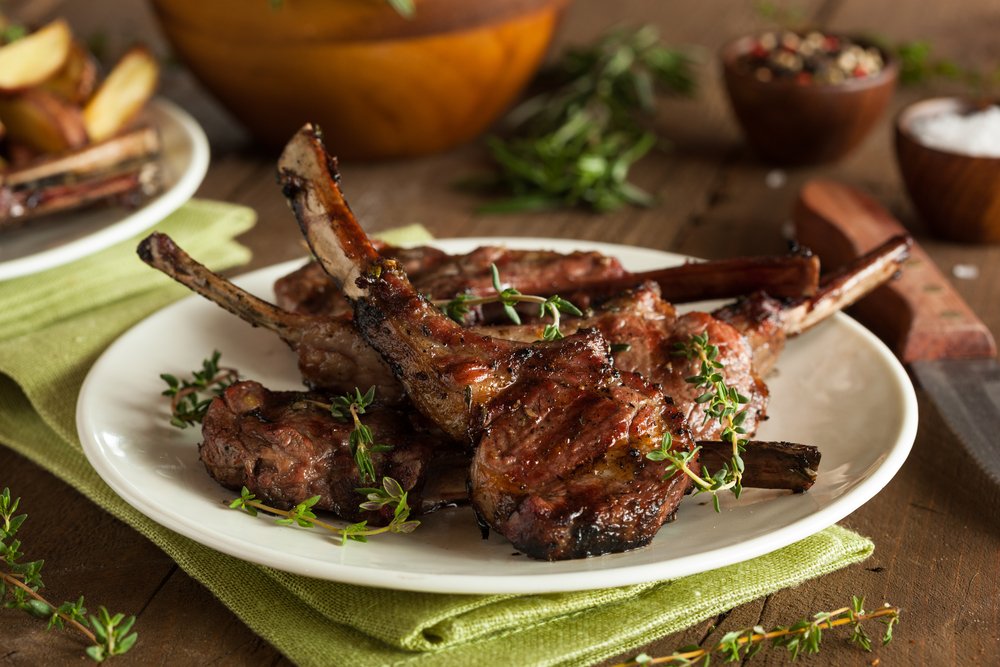
Reykjavik's culinary scene offers a captivating journey through Iceland's heritage, but for many, the pinnacle is undoubtedly found in an authentic Icelandic lamb dish. Far from a mere meal, savoring lamb in one of Reykjavik's dedicated restaurants is an immersion into centuries of tradition, sustainable farming, and unparalleled flavor. This isn't just about eating; it's about understanding the land, the culture, and the resilient spirit of a nation deeply connected to its unique livestock.
At a Glance: Your Guide to Reykjavik's Lamb Delights
- Discover the "Why": Understand what makes Icelandic lamb uniquely flavorful and sought after.
- Navigate Key Dishes: Learn about traditional lamb preparations, from hearty soups to smoked delicacies.
- Find Your Spot: Get specific restaurant recommendations for iconic lamb experiences in Reykjavik.
- Beyond the Plate: Pick up practical tips for booking, budgeting, and truly appreciating the local lamb culture.
- Address Common Queries: Clear up misconceptions about taste, availability, and authenticity.
The Unmistakable Mark of Icelandic Lamb: A Flavor Story
Icelandic lamb isn't just "lamb"; it's a testament to a pristine environment and centuries-old farming practices. Grazing freely across vast, unspoiled pastures, these sheep feast on a rich diet of wild grasses, herbs, and berries. This natural, hormone and antibiotic-free lifestyle results in meat that is incredibly lean, tender, and possesses a clean, mild, and distinctly fresh flavor. It lacks the "gamey" taste sometimes associated with lamb, making it remarkably appealing even to those who might typically shy away from it. This unique profile is the cornerstone of why authentic Icelandic lamb Reykjavik restaurants are a must-visit.
Decoding Reykjavik's Lamb Offerings: From Rustic Bowls to Refined Plates
Reykjavik’s dining establishments showcase Icelandic lamb in a spectrum of preparations, honoring both its historical significance and its versatility for modern culinary interpretations. Understanding these core dishes is your first step to an unforgettable meal.
The Hearty Staples: Where Tradition Reigns Supreme
Icelandic cuisine is deeply rooted in the country’s resilience, with Viking traditions influencing cooking and preservation methods. These dishes are not just food; they are stories of survival and ingenuity.
- Kjötsúpa (Traditional Icelandic Lamb Soup): Your Cold-Weather Embrace
This beloved cold-weather staple is more than just a soup; it's a hug in a bowl, a tradition established by Vikings for harsh winters. Tender pieces of Icelandic lamb are simmered slowly with a medley of root vegetables – potatoes, carrots, rutabagas, and turnips – creating a nutritious, earthy, and incredibly comforting meal. The lamb here is fall-apart tender, and the broth, rich with natural flavors, warms you from the inside out. - Where to find it: For a truly authentic experience, head to The Soup Kitchen in Reykjavik, where Kjötsúpa is a specialty. You can also find a robust version at Fjörukráin at Hótel Viking, offering a historical backdrop to your meal.
- Hangikjöt (Smoked Lamb): A Taste of History
Hangikjöt is a true Icelandic delicacy, stemming from centuries-old Viking food storage practices. The lamb is traditionally smoked over birch wood or, in older times, dried sheep dung. This process imparts an intensely unique, rich, and deeply smoky flavor that is unmistakable. While traditionally a Christmas dish, its popularity ensures it's available year-round in various forms. The smoky intensity is a true highlight of authentic Icelandic lamb Reykjavik restaurants. - How it's served: Often accompanied by boiled potatoes, a creamy white sauce (béchamel), green peas, and pickled red cabbage. Some modern restaurants offer creative twists.
- Where to find it: Grillmarkaðurinn (The Grillmarket) offers a refined take, often serving Hangikjöt with accompaniments like blueberries, Brennivín sauce, and pickled red cabbage, elevating the traditional flavors. For a more casual, yet equally authentic, experience, Jómfrúin serves it as a delectable open-faced sandwich, showcasing the lamb's rich flavor in a different format.
- Lambakjöt (Roasted Lamb): Simplicity Perfected
A common family meal across Iceland, roasted lamb highlights the natural tenderness and mild flavor of the meat. Typically, succulent Icelandic lamb is slow-roasted, often infused with simple yet aromatic additions like sprigs of rosemary and cloves of garlic. The result is a wonderfully moist and flavorful roast that needs little embellishment. - Where to find it: Við Tjörnina in Reykjavik is particularly known for its exceptional roast lamb shoulder, delivering a quintessential home-style experience with professional finesse.
- Slátur (The Icelandic Haggis): For the Adventurous Palate
Often likened to Scottish Haggis, Slátur is a traditional dish reflecting Viking sustainability, ensuring no part of the animal goes to waste. It's made from a mix of sheep’s blood or liver, blended with suet and rye. The flavor is rich, robust, and undeniably unique – a true dive into the deeper cultural aspects of Icelandic cuisine. - Where to find it: For those brave enough to try this ancient delicacy, Þrír frakkar in Reykjavik is a renowned establishment that offers Slátur, serving up a genuine taste of Icelandic heritage.
The Everyday Icon: Pylsur (The Classic Icelandic Hot Dog)
While not solely lamb, the Icelandic hot dog holds a special place in the culinary landscape and features lamb prominently. This famous hot dog is made from a blend of lamb, pork, and beef, with the distinct, savory taste of lamb often standing out. It's a quick, delicious, and ubiquitous taste of Iceland.
- How it's served: In a soft bun, typically loaded with raw onions, crispy fried onions, ketchup, a sweet brown mustard, and remoulade (a mayonnaise-based sauce). The combination of textures and flavors is legendary.
- Where to find it: You'll find renowned hot dog stands throughout Reykjavik, often a highlight of walking tours. Look for the busiest stand – that's usually the sign of the best.
Beyond the Lamb: Connecting to the Wider Icelandic Culinary Tapestry
While lamb takes center stage, remember it's part of a larger story. The ingenuity that gives us Kjötsúpa and Hangikjöt also created dishes like Plokkfiskur (mashed fish stew) and Skyr (Iceland’s dairy delight). To truly appreciate the depth of Iceland's gastronomic identity, it’s worth understanding the broader context. Explore iconic Icelandic cuisine to see how these traditions fit into the country’s culinary narrative.
What to Look For in an Authentic Lamb Experience in Reykjavik
Finding an authentic experience goes beyond just seeing "lamb" on the menu. Here's how to ensure you're getting the real deal:
- Sourcing Transparency: A truly authentic restaurant will often highlight the origin of its lamb, perhaps mentioning specific farms or regions. This commitment to local sourcing is a hallmark of quality. Don't hesitate to ask your server about it.
- Preparation Methods: Look for descriptions that emphasize traditional cooking techniques – slow simmering for Kjötsúpa, wood-smoking for Hangikjöt, or simple roasting for Lambakjöt. Even modern interpretations should nod to these roots.
- Seasonal Availability & Menu Focus: While many lamb dishes are year-round, menus may feature different cuts or accompaniments based on the season. Restaurants specializing in Icelandic fare often have a deeper understanding of these nuances.
- Complementary Pairings: Authentic experiences often include recommended pairings. For instance, Brennivín (Iceland’s signature schnapps) is traditionally enjoyed with potent dishes like Hákarl, but a shot can also perfectly cut through the richness of Hangikjöt. Ask for local beer or wine recommendations that complement the lamb.
- Ambiance and Service: While not strictly about the food, the atmosphere contributes significantly to authenticity. Restaurants that exude a cozy, welcoming, or historically rich vibe often enhance the experience, making the meal feel more integrated with Icelandic culture.
Your Practical Playbook for a Lamb Culinary Journey
Venturing into Reykjavik's lamb restaurants can be an incredible experience with a little preparation.
- Book Ahead, Especially for Dinner: Popular authentic Icelandic lamb Reykjavik restaurants, particularly those with a strong reputation for traditional dishes or a modern fine-dining approach, can fill up quickly. Make reservations, especially for weekend evenings.
- Budgeting for Quality: Expect to pay a premium for high-quality Icelandic lamb. Mains can range from 4,000 ISK to 8,000 ISK or more at finer establishments. Consider lunch specials for a potentially more budget-friendly taste.
- Explore Different Forms: Don't limit yourself to just one type of lamb dish. Try Kjötsúpa one day, Hangikjöt the next, and a roasted leg for a special dinner. Each preparation offers a distinct facet of Icelandic lamb's versatility.
- Embrace the Sides: The accompaniments are often just as important as the lamb itself. The creamy white sauce with Hangikjöt, the root vegetables in Kjötsúpa, or the traditional rúgbrauð (dense rye bread) are integral parts of the experience.
- Dietary Considerations: While lamb dishes are often naturally gluten-free (especially roasts and soups without thickeners), always confirm ingredients if you have allergies. Many traditional sides like potatoes and vegetables are usually safe.
Quick Answers: Your Icelandic Lamb FAQ
Is Icelandic lamb "gamey" like some other lamb varieties?
No, generally not. Icelandic lamb is renowned for its mild, clean, and fresh flavor. This is primarily due to the sheep's diet of wild grasses, herbs, and berries, and their free-range lifestyle in pristine environments, which results in a lean and tender meat profile distinct from lambs raised on more confined diets.
Are there vegetarian options at authentic Icelandic lamb restaurants?
Most authentic Icelandic restaurants, even those specializing in lamb, will offer at least one or two vegetarian or fish options. However, their primary focus will be on meat and fish. If you are strictly vegetarian, it's wise to check the menu online beforehand or call to confirm.
What's the best time of year to enjoy Icelandic lamb?
Icelandic lamb is available year-round. Kjötsúpa is particularly comforting during the colder winter months, while fresh roasted lamb can be exceptionally good in the autumn after the annual "réttir" (sheep round-up). Hangikjöt is traditionally a Christmas dish but can be found any time.
How do I know if a restaurant truly serves "authentic" Icelandic lamb?
Look for restaurants that proudly highlight their sourcing – they might mention specific farms, regions, or the free-range nature of their lamb. Menus that feature traditional dishes like Kjötsúpa, Hangikjöt, or Slátur are also good indicators. Often, the staff will be knowledgeable and enthusiastic about explaining the lamb's origin and preparation. Local reviews and recommendations from seasoned travelers can also be helpful.
Can I buy Icelandic lamb to cook myself?
Absolutely! Icelandic lamb is widely available in local supermarkets across Reykjavik. Look for cuts like lamb chops, leg of lamb, or shoulder. It’s a fantastic way to bring a piece of your culinary adventure home.
Your Next Flavorful Step in Reykjavik
Embarking on a culinary exploration of authentic Icelandic lamb in Reykjavik is an essential part of any visit. This is more than just a meal; it's a direct connection to the land, the history, and the enduring spirit of Iceland. From the smoky depths of Hangikjöt to the comforting embrace of Kjötsúpa, each dish tells a story. Use this guide to seek out those specific restaurants, ask the right questions, and truly savor one of the purest and most flavorful meats the world has to offer. Your taste buds, and your understanding of Iceland, will be profoundly richer for it.