Venturing into Reykjavík means more than just exploring stunning landscapes; it’s an immersive journey into a culinary heritage shaped by centuries of resilience and ingenuity. For those keen to uncover the true taste of the island, identifying the best traditional Icelandic food restaurants in Reykjavík is paramount. This isn't just about finding a meal; it's about connecting with the soul of Iceland through its most iconic dishes, served in settings that often echo generations of warmth and tradition.
At a Glance: Your Reykjavík Traditional Food Guide
- Navigate Authentic Choices: Discover specific eateries and types of establishments renowned for traditional Icelandic fare.
- Pinpoint Signature Dishes: Learn where to find everything from hearty lamb soup to adventurous fermented shark.
- Understand the Local Experience: Grasp the cultural significance behind popular dishes and dining customs.
- Make Informed Decisions: Get practical tips on selecting restaurants that genuinely offer a taste of Iceland's culinary past.
- Avoid Common Pitfalls: Learn how to identify tourist traps and seek out genuine local recommendations.
The Deep Roots of Icelandic Plates
Icelandic cuisine is a testament to survival and resourcefulness, born from a challenging environment and a deep connection to the land and sea. For centuries, the islanders relied on what was readily available: lamb, fish, and dairy, often preserved through smoking, salting, drying, or fermenting. Today, while modern culinary innovation thrives in Reykjavík, the heart of its food scene proudly beats with these traditional flavors. Seeking out these time-honored dishes offers more than just sustenance; it’s an edible history lesson, revealing the ingenuity of a people who turned necessity into delicious tradition.
Unpacking Reykjavík's Traditional Dining Scene
When you're looking for the best traditional Icelandic food restaurants in Reykjavík, you're looking for places that celebrate these culinary roots. These aren't necessarily fancy, white-tablecloth establishments (though some are); often, they are cozy, unpretentious spots where the focus remains squarely on authentic flavors and age-old recipes.
The Hearthy Comforts: Kjötsúpa (Lamb Soup)
The quintessential Icelandic lamb soup, Kjötsúpa, is more than just a dish; it’s a warming embrace. Made with tender, often grass-fed Icelandic lamb, potatoes, carrots, and turnips, sometimes enriched with rutabaga or leeks, it’s a robust, flavorful antidote to the cold. Many traditional Icelandic restaurants and local cafes across Reykjavík pride themselves on their Kjötsúpa.
While Fjörukráin at Hótel Viking, located in nearby Hafnarfjörður, is renowned for its age-old recipe, Reykjavík itself boasts numerous excellent options. Look for cafes that advertise "heimabökuð súpa" (homemade soup) or dedicated Icelandic eateries. Places like Café Loki near Hallgrímskirkja or Icelandic Street Food (which offers free refills!) are popular choices within the city for a consistently good, hearty bowl. The key is the quality of the lamb and the slow simmering that coaxes out its rich, earthy flavors.
The Iconic Street Treat: Pylsur (Hot Dog)
No culinary tour of Reykjavík is complete without sampling a Pylsur. This isn't just any hot dog; it's a unique blend of lamb, pork, and beef, nestled in a soft bun. The classic toppings create a symphony of textures and tastes: raw onions, crispy fried onions, ketchup, sweet brown mustard (often referred to as pylsusinnep), and remoulade. The distinct lamb flavor sets it apart, making it a savory-sweet, utterly satisfying fast-food experience.
The undisputed champion for Pylsur in Reykjavík is Bæjarins Beztu Pylsur, located by the harbor. This unassuming hot dog stand has been serving its famous Pylsur since 1937 and has even earned praise from celebrities like Bill Clinton. It's a genuine local institution and an essential stop for anyone wanting to taste authentic Icelandic street food. Don't be shy; order "eina með öllu" (one with everything).
A Taste of Tradition: Hangikjöt (Smoked Lamb)
Hangikjöt, or smoked lamb, is deeply embedded in Icelandic culinary tradition, particularly around Christmas, though it's enjoyed year-round. The lamb is traditionally smoked over birch wood or, in older times, dried sheep dung, which imparts a distinctive, rich smoky flavor. It's typically served thinly sliced with boiled potatoes, a creamy white sauce, and often green peas or pickled red cabbage.
For a unique take on this delicacy, Jómfrúin, a Danish-Icelandic restaurant in downtown Reykjavík, serves Hangikjöt as an exquisite open-faced sandwich. Their focus on fresh ingredients and classic preparation makes it an excellent spot to experience this authentic flavor in an elegant, yet traditional, setting. Many other traditional Icelandic restaurants will also feature Hangikjöt, especially during the colder months.
The Adventurer's Bite: Hákarl (Fermented Shark)
For the truly adventurous palate, Hákarl, or fermented shark, is an iconic Icelandic dish with a history stretching back to the Viking Age. Known for its potent ammonia-like smell and challenging taste, it’s an acquired preference, often enjoyed with a shot of Brennivín, Iceland’s signature caraway-flavored schnapps. The process involves fermenting toxic fresh shark meat and then drying it for several months.
While not typically a main course at most restaurants, you can often find Hákarl offered as a small tasting portion at traditional Icelandic eateries that cater to tourists looking for the full cultural experience. Alternatively, it’s readily available in local supermarkets, allowing you to try a small piece at your own pace. Several specialty bars in Reykjavík might also offer it alongside Brennivín for a complete cultural immersion.
From the Ocean's Bounty: Seafood Delicacies
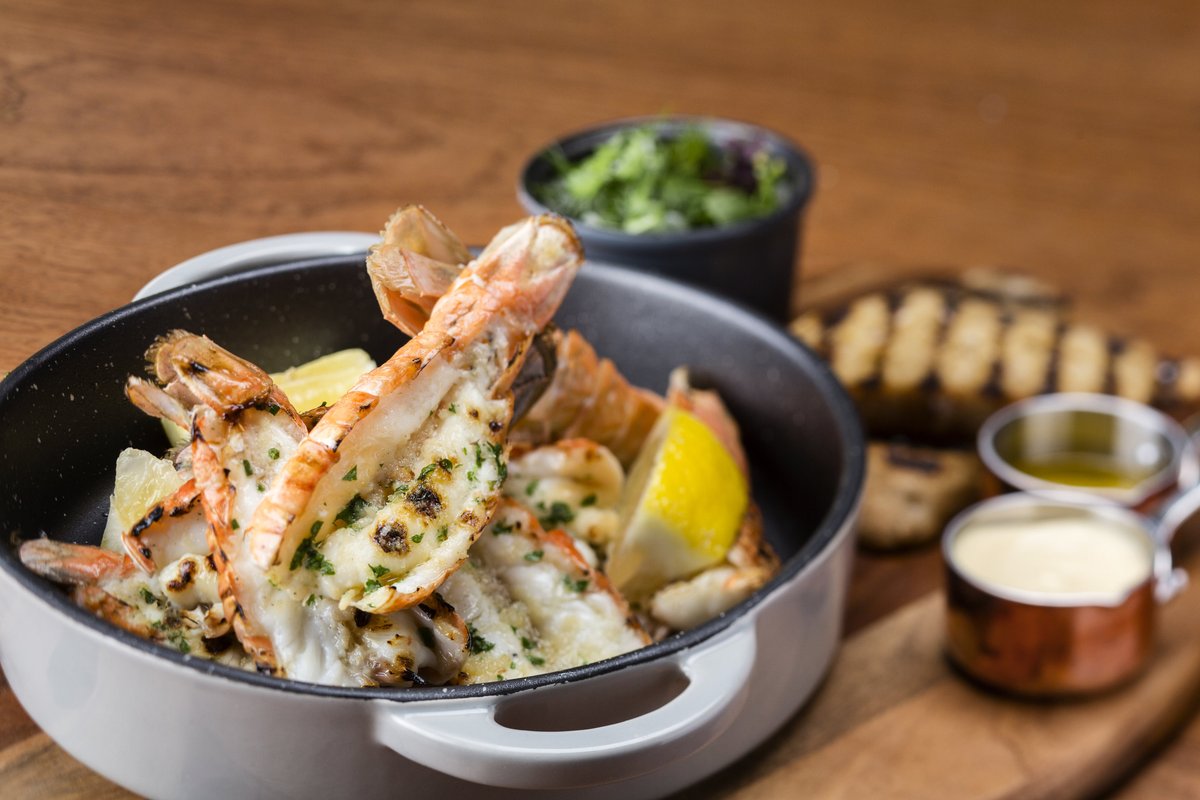
Iceland’s North Atlantic location means fresh seafood is a cornerstone of its cuisine. Cod, haddock, and langoustine (often called "lobster" in Iceland) are staples.
- Plokkfiskur: This creamy fish stew is a heartwarming classic. Made from boiled cod or haddock, mashed potatoes, and onions, it’s often served with rúgbrauð, a dense, dark rye bread traditionally baked underground using geothermal heat. It’s a comforting, wholesome dish found in many traditional Icelandic restaurants and local diners. Its simplicity belies its incredible flavor and ability to truly warm you from the inside out.
- Icelandic Lobster Soup: Made with sweet, succulent langoustine meat, this soup is rich and flavorful, often finished with a touch of cream and fresh herbs. Numerous seafood restaurants along Reykjavík's harbor specialize in this luxurious starter, showcasing the freshness of the local catch.
For these seafood delights, look to establishments near the old harbor area or restaurants specializing in Icelandic home cooking, where the emphasis is on fresh ingredients prepared simply and skillfully.
The Protein-Packed Snack: Harðfiskur (Dried Fish)
Harðfiskur, or dried fish, is a traditional high-protein snack, made from air-dried cod, haddock, or wolffish. It has a jerky-like consistency and is a perfect representation of Iceland’s historical food preservation methods. Often served with a generous smear of salted butter, it’s a popular accompaniment to meals or simply a hearty snack.
You'll find Harðfiskur widely available in local markets, grocery stores, and often even in convenience stores. It makes for an ideal, lightweight souvenir or a nutritious bite to fuel your explorations.
The Midwinter Feast: Þorramatur
For a true deep dive into Iceland's culinary heritage, consider visiting during Þorrablót, a midwinter festival held from mid-January to mid-February. During this period, many traditional restaurants and community halls offer Þorramatur, a traditional buffet. This spread showcases preserved meats and fish, including:
- Fermented shark (hákarl)
- Singed and boiled sheep's head (svið)
- Cured ram's testicles (súrsaðir hrútspungar)
- Blood sausage (blóðmör) and liver sausage (lifrarpylsa)
These dishes are typically served with dense rye bread (rúgbrauð), butter, and plenty of Icelandic schnapps (brennivín). While challenging for some, it’s an unparalleled insight into the historical ingenuity of Icelandic food preservation and a profound cultural experience. Not all restaurants offer Þorramatur, so check specific listings or ask locals if you're visiting during this period.
The Creamy Delight: Skyr
A staple for over a thousand years, Skyr is an Icelandic dairy product that sits somewhere between yogurt and fresh cheese. Known for its smooth texture, slightly tangy flavor, high protein, and low fat content, it's a wonderfully versatile food. It's typically enjoyed for breakfast or dessert with fresh berries, rhubarb jam, or a drizzle of honey.
Röst Reykjavík, located within the Harpa Concert Hall and Conference Centre, serves Skyr with fresh blueberries, cream, and sugar, offering a delightful and authentic taste of this ancient superfood in a modern setting. You’ll also find Skyr widely available in supermarkets in various flavors, often a healthier and delicious snack option.
Sweet Indulgence: Icelandic Ice Cream
Despite the cold climate, Icelanders have a deep love for ice cream. Made with high-quality dairy, Icelandic ice cream is renowned for its richness and creamy texture. Beyond traditional flavors, you'll often find unique local twists like liquorice or rhubarb. It's a beloved treat year-round.
Perlan, the famous dome-shaped landmark offering panoramic city views, features a popular ice cream parlor with a wide array of options, making it a perfect spot to enjoy this sweet tradition while taking in the scenery. Many local ice cream shops (ísbúð) scattered around Reykjavík also offer delicious, locally made ice cream, often with "dýfa" (a hard chocolate dip) and various sprinkles.
Finding Your Authentic Plate: Beyond the Menu
When seeking the best traditional Icelandic food restaurants in Reykjavík, consider more than just the dishes; think about the experience.
- Ambiance Matters: True traditional spots often have a cozy, rustic feel, perhaps with wooden interiors, historical photographs, or simple, comfortable furnishings. It's about feeling like you're stepping into an Icelandic home.
- Local Crowd: A strong indicator of authenticity is the presence of locals. If the restaurant is bustling with Icelandic families and friends, you're likely in a good spot.
- Service with a Story: Staff at truly traditional establishments often take pride in their heritage and might be eager to share stories about the food or local customs. Don't hesitate to ask questions about the dishes.
To understand the broader context of how these dishes fit into the island's unique culinary story, you might want to Explore Iconic Icelandic Cuisine for a deeper dive into the origins and evolution of Icelandic gastronomy.
Your Practical Playbook for Traditional Dining
Making the most of your culinary adventure requires a bit of strategy.
What to Look For in a Traditional Icelandic Eatery:
- Clear Menu Descriptions: Menus that clearly explain traditional dishes (often with English translations) and their ingredients.
- "Home-style" Mentions: Restaurants that emphasize "heimilislegur matur" (home-style food) or "gamlar uppskriftir" (old recipes).
- Specialty Seafood Focus: For fish dishes, look for places that proudly display their daily catch or have "fiskur" (fish) prominently in their name.
- Focus on Local Ingredients: An emphasis on Icelandic lamb, fresh catch, and local dairy products.
- Seasonal Specials: Traditional Icelandic cuisine often adapts to seasons, so look for seasonal offerings, especially around Þorrablót.
Smart Ordering Strategies:
- Start with Soup: Kjötsúpa is always a safe and satisfying entry point into traditional flavors.
- Don't Fear the Fish: Plokkfiskur or a fresh catch of the day are excellent choices.
- Consider a Tasting Plate: If available, a small tasting menu can be a great way to sample several traditional items without committing to a full dish of something potentially challenging (like Hákarl).
- Ask for Recommendations: Engage your server. They often have insights into daily specials or personal favorites.
Avoiding Tourist Traps:
- Overly Aggressive Marketing: Be wary of restaurants that have too many flashing signs or tout "authentic Icelandic food" very loudly in multiple languages right outside the door.
- Lack of Local Patrons: If a place is entirely filled with tourists and seems to lack any local presence, it might be more tailored for an international palate than true tradition.
- Generic Menus: If the menu is dominated by international dishes with only one or two token Icelandic items, it might not be the specialized experience you're seeking.
Quick Answers to Common Questions
Is Icelandic food just seafood?
Not at all! While seafood is incredibly fresh and plentiful, Icelandic cuisine boasts a rich tradition of lamb dishes (like Kjötsúpa and Hangikjöt), dairy products like Skyr, and unique preserved items. The use of geothermal energy for baking rye bread (rúgbrauð) also highlights its diverse culinary landscape.
What's a must-try traditional Icelandic dish for first-timers?
For a comforting and universally appealing start, Kjötsúpa (lamb soup) is highly recommended. For a unique cultural experience that's still approachable, try the Icelandic Pylsur (hot dog) from Bæjarins Beztu Pylsur. If you're slightly more adventurous, Plokkfiskur (fish stew) is a delicious and authentic choice.
Are traditional Icelandic restaurants expensive?
Dining in Iceland can be pricey compared to some other countries. Traditional Icelandic restaurants often fall into a mid-to-high price range, reflecting the quality of ingredients and often the local, sustainable sourcing. However, options like the Pylsur stands or soup cafes offer more budget-friendly traditional experiences. Portions are typically generous.
How do I find authentic local spots, not just tourist-focused places?
Look for places slightly off the main tourist drag, or check out smaller cafes and family-run establishments. Ask your hotel concierge or local tour guides for their personal recommendations. Reading recent reviews from locals (if you can translate them) can also provide excellent insights. The presence of a local crowd during peak dining hours is often the best indicator of authenticity.
Embark on Your Culinary Expedition
Reykjavík’s traditional food scene is a vibrant, living museum of Icelandic culture. From the comforting warmth of a Kjötsúpa to the adventurous bite of Hákarl, each dish tells a story of survival, ingenuity, and a deep connection to the land and sea. By knowing what to look for and where to go, you can move beyond mere sustenance and truly savor the authentic tastes that have defined this island nation for centuries. So, step out, explore the bustling streets, and let your palate guide you through the unforgettable flavors of traditional Iceland.