The land of fire and ice, with its dramatic landscapes forged by glaciers and volcanoes, has cultivated a cuisine as unique and resilient as its people. Far from being a mere footnote in global gastronomy, Iconic Icelandic Cuisine tells a powerful story of survival, ingenuity, and a deep reverence for nature's bounty. It's a culinary journey shaped by isolation, harsh climates, and an abundance of pristine seafood, free-roaming lamb, and nutrient-rich dairy. Today, this heritage thrives, seamlessly blending ancient preservation methods with cutting-edge culinary innovation that has captivated food lovers worldwide.
At a Glance: What Defines Icelandic Cuisine
- Core Ingredients: Predominantly lamb, fish (especially cod, haddock, Arctic char), and dairy (Skyr is paramount).
- Historical Roots: Deeply Scandinavian, evolved through centuries of hardship and self-reliance.
- Preservation is Key: Smoking, drying, salting, and fermenting were essential for survival and remain central to traditional flavors.
- Traditional Staples: Hangikjöt (smoked lamb), Harðfiskur (dried fish), Skyr, Rúgbrauð (rye bread), and the challenging Hákarl (fermented shark).
- Modern Twist: Contemporary chefs are reimagining classic dishes, focusing on ingredient quality and global influences.
- Sustainability: Emphasis on locally sourced, often geothermally grown produce and wild-grazing animals.
- Cost: Groceries and dining out can be expensive, reflecting Iceland's import reliance and remote location.
From Settlement to Supper: A History Forged by Fire and Ice
The narrative of Icelandic cuisine begins with its earliest settlers, Vikings arriving from Norway and the British Isles in the 9th century. They brought with them familiar Scandinavian traditions and domestic animals, primarily sheep and cattle. What they found was an island rich in fish and seabirds, but with limited arable land and a short growing season. This immediate reality set the stage for a culinary culture deeply focused on meat, dairy, and fish, often preserved to last through long, dark winters.
Christianisation around 1000 AD introduced dietary restrictions, notably the banning of horse meat for a period, though it later returned to prominence. However, it was the brutal "Little Ice Age" beginning in the 14th century that truly reshaped Icelandic kitchens. Barley cultivation became impossible, increasing reliance on imported cereals. The scarcity of firewood, exacerbated by deforestation, forced islanders to adapt, burning peat, dried dung, and heather. This era saw the rise of turf houses with dedicated kitchens, a significant improvement over the communal longhouses, but underscored the constant battle against the elements.
The Danish Trade Monopoly (1602-1787) further influenced Icelandic diets, restricting commerce to Danish merchants and introducing staples like rye, which became central to their bread-making. The Napoleonic Wars in the early 19th century severed trade links, forcing Icelanders to become even more self-reliant, leading to an increased focus on local vegetable cultivation, particularly hardy root vegetables.
The early 20th century brought an economic boom driven by commercial fishing. This shift moved the dietary focus from traditional dairy and meat-heavy meals towards a greater emphasis on fresh fish and root vegetables. Crucially, institutions like home economics schools emerged, playing a vital role in documenting and formalizing Icelandic culinary traditions, promoting food hygiene, and advocating for fresh ingredients. Around the same time, powerful cooperatives gained monopolies on dairy and meat production, investing in modern facilities and pioneering new cheesemaking techniques beyond traditional skyr, further diversifying the Icelandic palate. This rich tapestry of historical pressures and adaptations defines the unique character of Icelandic food today.
The Cornerstones: Key Ingredients of Icelandic Flavors
Iceland's culinary identity is built upon a foundation of exceptional, naturally sourced ingredients, each telling a story of the island's unique environment.
The Legendary Lamb: Free-Roaming and Flavorful
Icelandic lamb is a national treasure, renowned for its unparalleled quality. Raised free-range, these sheep graze on pristine wild grasses, aromatic herbs, and tart berries across vast, unspoiled landscapes. This natural diet imbues the meat with a distinctive, delicate flavor, far removed from conventionally farmed lamb. The majority of lambs are slaughtered in autumn, their meat carefully preserved and utilized to its fullest. Whether smoked, roasted, or simmered in a hearty soup, lamb remains a primary source of sustenance and culinary pride. When seeking out this essential part of the cuisine, consider exploring options for authentic Icelandic lamb restaurants to experience its true quality.
From the Deep Blue: A Seafood Haven
Surrounded by the nutrient-rich North Atlantic, Iceland boasts an incredible bounty of seafood. Cod, haddock, Arctic char, herring, plaice, and halibut are fundamental to the diet, making their way into countless traditional and modern dishes. Historically, dried fish (harðfiskur) was a crucial protein source, a tradition still enjoyed today as a protein-packed snack often paired with butter. The purity of the waters and sustainable fishing practices ensure that Icelandic seafood is among the finest in the world, a testament to the island's deep connection to the ocean.
Dairy Delights: Skyr and Beyond
Dairy consumption in Iceland is remarkably high, averaging around 400 liters per person annually. The star of Icelandic dairy is undoubtedly Skyr, a soft, protein-rich, low-fat cheese often compared to yogurt. A staple for over a thousand years, it's typically enjoyed with milk and sugar, fresh berries, or incorporated into various desserts and smoothies. Beyond Skyr, unique Icelandic butter, known for its rich flavor, is highly valued. The dairy industry, boosted by 20th-century cooperatives, has also expanded into other cheeses, showcasing an evolving dairy landscape.
Greenhouses and Wild Harvests: Produce and Herbs
Despite its northerly latitude, Iceland has harnessed its abundant geothermal energy to cultivate fresh produce year-round in greenhouses. Tomatoes and cucumbers, grown indoors with natural heat and light, provide a touch of freshness and sustainability. Hardy varieties like cabbage, turnips, rutabaga, and potatoes also thrive. Beyond cultivation, the wild landscape offers an array of treasures: bilberries and crowberries, used in jams, desserts, and sauces, and Arctic herbs such as Arctic thyme and angelica, which lend distinctive flavors to both traditional and modern recipes. Wild mushrooms, Iceland moss, and lovage further enrich the local palate.
Meats Beyond Lamb: Exploring Iceland's Diverse Plate
While lamb reigns supreme, Icelandic cuisine features a broader spectrum of meats, reflecting historical necessity and unique local opportunities.
- Horse Meat: A common food since the 19th century, often salted and boiled or used in smoked sausage (bjúgu).
- Beef: Grass-fed cattle provide high-quality beef, raised without hormones.
- Game: Seabirds like puffin, cormorant, and gull, alongside waterfowl such as mallard, greylag, and pink-footed goose, have historically been part of the diet. Ptarmigan was a traditional Christmas dish, though hunting is now banned. Reindeer, introduced in the late 18th century, is a prized delicacy, hunted in small numbers each autumn.
- Whale Meat: Commercial whaling resumed in 2006, making minke whale meat available in some restaurants and shops, often prepared similarly to beef.
- Slátur: A unique offal dish, akin to haggis, made from sheep's offal, blood, fat, and oats, encased in the animal's stomach. A true representation of nose-to-tail eating.
It's important to note Iceland's strict meat import restrictions due to fears of contamination, protecting its disease-free domestic animals. Tourists are generally prohibited from bringing any cured meats into the country.
Echoes of the Past: Iconic Traditional Dishes and Time-Honored Preservation
The heart of Iconic Icelandic Cuisine lies in its traditional dishes, many of which are a direct result of ingenious preservation methods developed over centuries to conquer a harsh environment. These flavors are robust, often challenging, and deeply rooted in the island's cultural identity.
The Þorramatur Feast: A Midwinter Rite
Þorramatur is not just a meal; it's a traditional buffet served at Þorrablót midwinter festivals, celebrating endurance and heritage. It's a culinary gauntlet featuring a selection of traditionally cured meat and fish products, often accompanied by rúgbrauð and shots of brennivín (Icelandic akvavit, affectionately known as "Black Death").
- Hákarl (Fermented Shark): Perhaps the most infamous Icelandic dish, Hákarl is putrescent shark meat, cured for months. Its ammonia-rich aroma and intensely strong flavor are an acquired taste, truly a test of culinary courage, yet a vital part of Þorramatur.
- Svið (Singed Sheep’s Head): An iconic dish, the sheep's head is singed to remove wool, then boiled and split. It’s often served with mashed potatoes and rutabaga.
- Sviðasulta (Sheep’s Head Jelly): Made from pressed sheep's head, this jelly is typically eaten cold, a testament to utilizing every part of the animal.
- Lifrarpylsa and Blóðmör (Slátur): These are types of slátur (Icelandic haggis). Lifrarpylsa is a liver sausage, while Blóðmör is a blood pudding, both made from sheep's offal and encased in stomach.
Everyday Staples and Festive Delights
Beyond the Þorramatur, many other traditional foods form the backbone of Icelandic dining:
- Hangikjöt (Smoked Lamb): A universally beloved dish, especially at Christmas and other festive occasions. This smoked lamb, traditionally cured with Icelandic birch or even dried sheep dung, offers a rich, distinctive flavor. It's often served cold in thin slices, with laufabrauð, peas, and a creamy béchamel sauce.
- Harðfiskur (Dried Fish): A high-protein staple snack, often made from cod, haddock, or wolf fish. The dried fish is hammered to tenderize it and typically eaten with generous amounts of butter.
- Kjötsúpa (Icelandic Meat Soup): A hearty, warming lamb and root vegetable soup, perfect for combating the cold. It’s a staple comfort food, often simmered for hours to develop deep flavors.
- Rúgbrauð (Icelandic Rye Bread): A dense, dark, moist, and slightly sweet rye bread. Traditionally, it's baked in pots or special boxes buried near hot springs, sometimes imparting a subtle, unique sulfuric taste. It's excellent with butter, hangikjöt, or even fermented fish.
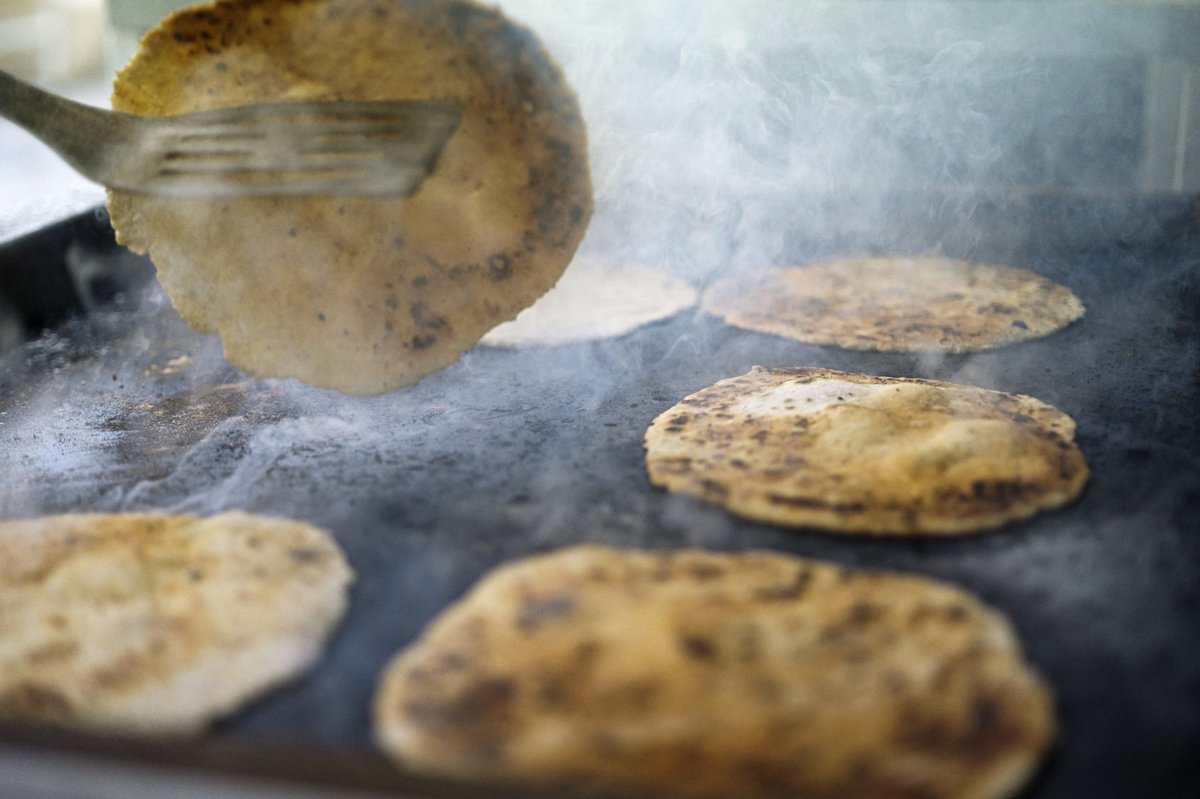
- Flatkaka (Icelandic Flatbread): A soft, round, brown rye flatbread, traditionally baked on a hot stone or griddle. It's often served with smoked lamb, pâté, or cheese.
- Kleinur: A traditional twisted fried dough bun, similar to a doughnut, lightly spiced with cardamom. A popular accompaniment to coffee.
- Laufabrauð (Leaf Bread): A thin, delicate wafer bread, intricately patterned with cut designs, then fried crisp. It's a beloved Christmas tradition, often made by families together.
These dishes showcase a culinary philosophy born of necessity, where every part of an animal was used, and ingenious methods ensured food lasted through the unforgiving seasons.
Iceland's Modern Culinary Renaissance: Fresh Flavors and Global Flair
While rooted in its resilient past, Icelandic cuisine is far from static. Today, a vibrant culinary scene, particularly in Reykjavík, champions the island's pristine ingredients while embracing contemporary techniques and global influences. Modern Icelandic chefs are not just preserving traditions; they're reimagining them with artistic flair and an unwavering commitment to quality. If you're looking for where to experience this exciting evolution, you'll find plenty of options for modern Icelandic dining in Reykjavik.
The "Food and Fun" competition, held annually since 2004, perfectly encapsulates this spirit. It challenges international chefs to create innovative dishes using only fresh Icelandic ingredients, showcasing the versatility and high caliber of local produce, meat, and seafood.
Reinventing the Classics: Modern Interpretations
Modern Icelandic cuisine often takes traditional flavors and elevates them. You might find:
- Birch-Flavored Lamb: Building on the distinct taste of free-range lamb, chefs infuse it with delicate birch smoke or flavorings, a nod to traditional smoking techniques but with refined precision.
- Arctic Char with Crowberry Sauce: Arctic char, a pristine freshwater fish, is often paired with sauces made from wild Icelandic berries like crowberries, balancing the fish's richness with tart, native fruit.
- Skyr Mousse with Wild Berry Compote: The ancient Skyr is transformed into light, elegant desserts, often accompanied by compotes made from bilberries or crowberries, showcasing its versatility beyond breakfast.
- Geothermal Cooking Innovations: Some chefs are exploring novel cooking methods, such as utilizing the island's geothermal heat for slow-cooking, adding a unique earthy dimension to their creations.
- Seaweed Infusions: Indigenous seaweeds, rich in umami and minerals, are increasingly finding their way into contemporary dishes, adding a taste of the ocean to unexpected places.
The Everyday Icon: Icelandic Pylsur
No discussion of modern Icelandic food would be complete without mentioning the Icelandic Pylsur, or hot dog. While seemingly simple, this humble street food is an institution. Made primarily from lamb, with a mix of beef and pork, it offers a distinct snap and flavor. The key lies in the toppings: raw white onions, crispy fried onions, sweet brown mustard (pylsusinnep), and remoulade (a mayonnaise-based sauce with relish). It’s an essential, affordable culinary experience that locals and tourists alike adore.
These modern culinary trends demonstrate a nation confident in its heritage yet eager to explore new horizons, creating a dining experience that is both deeply authentic and excitingly fresh. For those keen to sample the traditional side of this vibrant food scene, there are fantastic options for the best traditional Icelandic food in Reykjavik.
Breads, Sweets, and Festive Spreads
Icelandic baking and celebratory meals offer a comforting glimpse into the nation's sweet and savory traditions, often influenced by its Nordic neighbors.
A Baker's Dozen: Breads and Pastries
Beyond the famed rúgbrauð and flatkaka, Icelandic bakeries and home kitchens churn out a variety of delicious treats:
- Pönnukökur: Thin Icelandic pancakes, often served rolled with sugar, jam, or whipped cream. A simple, beloved dessert or snack.
- Astarpungar ("Love Balls"): Doughnut-like pastries, often flavored with raisins or cardamom, deep-fried to a golden crisp.
- Hjónabandssæla ("Happy Marriage Cake"): An oatmeal and rhubarb jam tart, a classic comfort food often found at coffee houses.
- Kleina: As mentioned, the twisted fried dough, a national favorite for coffee breaks.
- Vínarterta (Layer Cake): A multi-layered cake with prune filling, often referred to as "Randalín" or "Lagkaka," reflecting Danish influences.
- Snúður: A sweet cinnamon roll, often topped with chocolate or caramel glaze, a common café treat.
- Skúffukaka: A simple yet beloved chocolate sheet cake, often a staple at family gatherings.
Feasts and Family Gatherings
Icelandic culture places a high value on family and community, expressed beautifully through shared meals during special occasions:
- Christmas Eve Dinner: A highlight of the year. Traditionally, hangikjöt (smoked lamb) takes center stage, often alongside hamborgarhryggur (salted pork rib) or various game like ptarmigan stew, puffin, or roast goose. These are served with rich sauces, boiled potatoes, green peas, pickled vegetables, and berry jam. Dessert often features jólagrautur, a sweet rice pudding.
- December 23rd (Mass of Saint Thorlak): A unique tradition, particularly in the Westfjords, involves serving fermented skate with melted tallow and boiled potatoes. Known for its potent aroma, it’s a distinct pre-Christmas culinary experience.
- Family Celebrations: Birthdays, weddings, and baptisms are typically marked by kaffi (afternoon coffee) spreads. These elaborate tables might feature the iconic Danish-origin kranasakaka (a towering almond cake), brauðterta (savory layer cakes with fillings like shrimp or smoked salmon), and various sponge cakes adorned with fruit, cream, marzipan, and meringue.
These meals are more than just food; they are an integral part of Icelandic social fabric, connecting generations through shared flavors and traditions.
Navigating the Icelandic Culinary Landscape: Practical Advice
Experiencing Iconic Icelandic Cuisine firsthand is an essential part of any visit, but it helps to be prepared.
Understanding the Cost of Food
One of the most common observations about Iceland is the cost of living, and food is no exception. Groceries are generally expensive due to the island's remote location, reliance on imports, and small economy. Fresh produce, dairy, and meat (especially beef) can be particularly pricey. Seafood, while still not cheap by international standards, tends to be more affordable than other proteins given its local abundance. Dining out, especially in tourist hubs and Reykjavík, comes with a higher price tag. To manage expenses, many visitors opt for a mix of dining out to sample local specialties and self-catering with groceries from local supermarkets.
Immersive Culinary Experiences
To truly appreciate the depth of Icelandic cuisine, consider diving deeper than just restaurant meals:
- Food Walks and Culinary Tours: Many companies in Reykjavík offer guided food tours, providing an excellent way to sample a range of traditional and modern dishes, often with historical context and local insights. These tours can demystify some of the more unique flavors and introduce you to hidden culinary gems.
- Farmer's Markets: While not as common as in warmer climates, some seasonal markets offer local produce, homemade jams, and artisanal products, providing a chance to connect directly with producers.
- Cooking Classes: For a hands-on experience, some establishments offer cooking classes where you can learn to prepare traditional dishes like kjötsúpa or bake rúgbrauð.
- Specialty Food Shops: Look for shops selling Harðfiskur, local cheeses, and other Icelandic delicacies to take home.
Working in the Food Industry
For those considering a longer stay, opportunities exist in Iceland's food and hospitality sector. A good understanding of local cuisine and practices, along with proficiency in Icelandic or English, is often required. Non-EU citizens typically need a work permit, a process that should be researched thoroughly in advance.
Savoring the Spirit of Iceland
Iconic Icelandic Cuisine is far more than just sustenance; it's a living chronicle of a nation's resilience, creativity, and profound connection to its unique environment. From the ancient practice of fermenting shark to the modern art of birch-smoked lamb, every dish tells a story. It speaks of ancestors who harnessed every resource to survive, of communities that gathered to share warmth and nourishment, and of contemporary chefs who are redefining Nordic gastronomy with integrity and flair.
To explore Icelandic cuisine is to taste the very essence of the island – its wild, untamed beauty, its historical struggles, and its innovative spirit. So, whether you're savoring a hearty kjötsúpa on a chilly evening, challenging your palate with Hákarl, or indulging in a light Skyr dessert, you're not just eating; you're participating in a timeless tradition, savoring the spirit of Iceland, one delicious, unforgettable bite at a time.