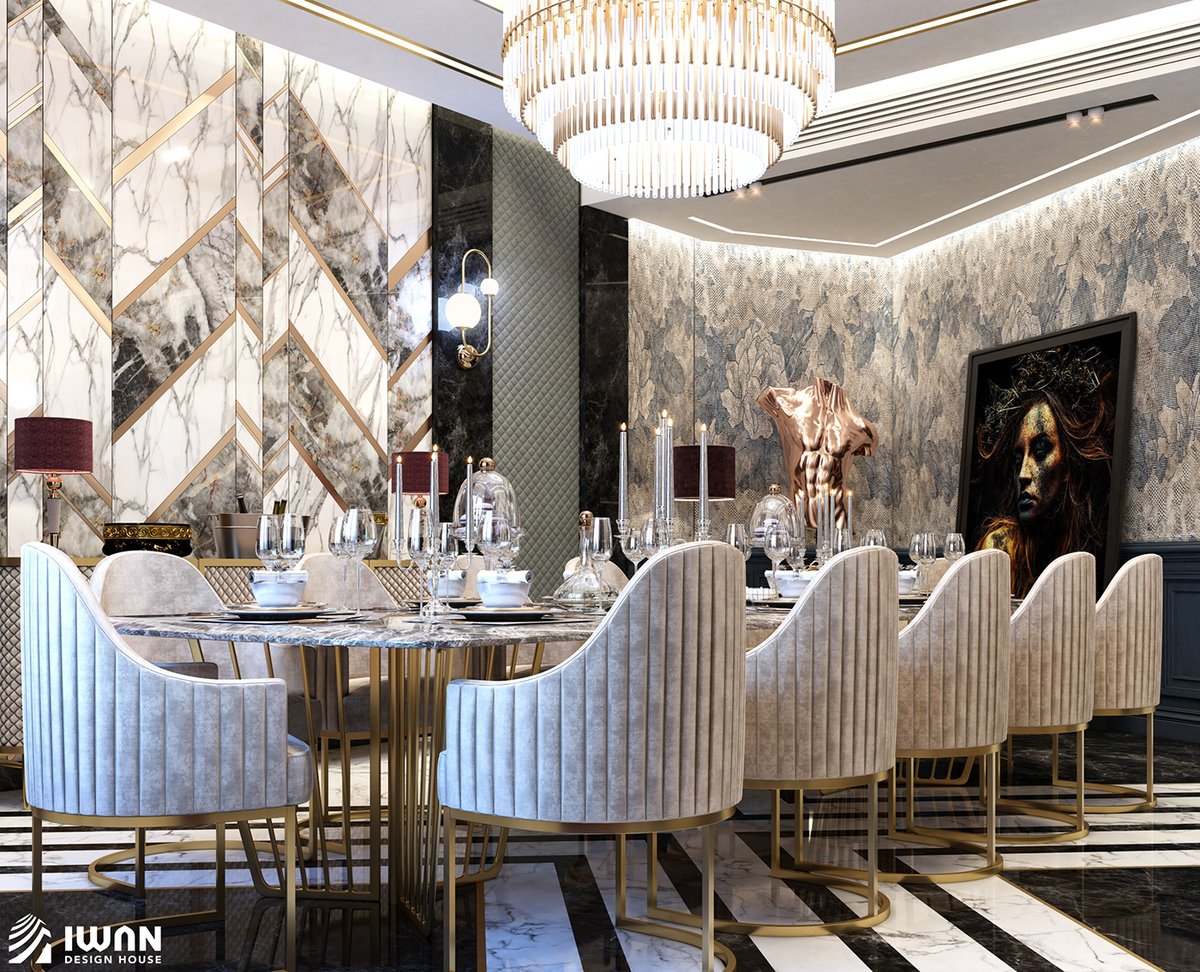
Imagine the soft hum of conversation, the glint of crystal, the quiet rustle of a server approaching with an artfully plated dish that looks almost too beautiful to eat. This isn't just dinner; it's an experience. Luxury & Fine Dining transcends mere sustenance, evolving into an art form that engages all the senses, crafting unforgettable memories around a table. It's where culinary innovation meets impeccable service and an atmosphere designed for delight.
Whether you're celebrating a milestone, impressing a client, or simply indulging your adventurous palate, stepping into the world of luxury dining promises more than just a meal—it offers a journey.
At a Glance: What to Expect from Luxury & Fine Dining
- Beyond the Plate: It's about the entire sensory experience – sight, sound, smell, touch, and taste.
- Impeccable Service: Highly trained staff who anticipate your needs with discretion and expertise.
- Culinary Artistry: Innovative dishes, exquisite presentation, and the highest quality ingredients.
- Curated Atmosphere: Thoughtful design, lighting, music, and table settings that enhance the experience.
- Premium Price Point: Reflects the quality of ingredients, labor, and the overall immersive experience.
- Global Standard: A benchmark for exceptional hospitality and gastronomy worldwide, often recognized by guides like Michelin.
The Defining Pillars of an Exceptional Meal
What truly separates a standard meal from an extraordinary one in the realm of luxury dining? It’s not just about cost; it’s a holistic commitment to excellence across several key areas. Think of it as a carefully orchestrated symphony where every element plays a crucial role.
Culinary Craftsmanship: Where Ingredients Become Art
At the heart of any luxury dining experience is the food itself – but elevated far beyond everyday preparation. We're talking about culinary craftsmanship, where chefs are artists and the plate is their canvas.
- Ingredient Purity & Provenance: The journey often begins with sourcing. Fine dining establishments prioritize peak-season, high-quality, and often rare ingredients. Whether it's the specific cut of Wagyu at a steakhouse like San Francisco's Miller & Lux, the freshest catch at Found Oyster in Los Angeles, or ethically sourced produce for a Californian spot like Citrin, every item has a story. Chefs forge relationships with farmers, fishmongers, and purveyors, ensuring only the best makes it to their kitchens.
- Technique & Innovation: This is where skill truly shines. Chefs in luxury restaurants often employ advanced culinary techniques – sous-vide, molecular gastronomy, precise fermentations – to transform ingredients into something unexpected. They push boundaries, creating dishes that are both familiar and entirely new. Consider the contemporary twists found at places like The Wild in San Francisco or Six Test Kitchen in Paso Robles, where experimentation leads to delightful surprises.
- Presentation as Performance: The visual appeal is paramount. Each dish is meticulously plated, a careful arrangement of colors, textures, and forms designed to tantalize the eyes before the first bite. It’s not uncommon for plates to resemble miniature edible sculptures, demanding a moment of appreciation before diving in.
The Art of Service: Anticipation, Discretion, and Expertise
Beyond the kitchen, the service team is the backbone of the luxury dining experience. This isn't just about taking orders; it’s an intricate dance of anticipation, discretion, and profound knowledge.
- Seamless Execution: From the moment you arrive until your departure, every interaction should feel effortless. Doors are opened, chairs are pulled, napkins are folded, and water glasses are refilled almost imperceptibly. The goal is for guests to feel cared for without feeling hovered over.
- Expert Guidance: Servers, often called captains or sommeliers, are highly knowledgeable about every aspect of the menu. They can eloquently describe dishes, suggest wine pairings, and answer questions about ingredients or preparation methods. When considering a tasting menu, for instance, a well-versed server can explain the journey and philosophy behind each course. This personalized guidance is key to enhancing the experience, whether you're exploring Reykjavik tasting menus or sampling the latest offerings in California.
- Personalization & Discretion: The best service adapts to your preferences. Regulars might find their favorite drink waiting, or dietary restrictions remembered. Simultaneously, servers maintain a respectful distance, allowing conversations to flow naturally without interruption, only stepping in when needed.
Ambiance and Atmosphere: The Stage for Your Meal
The setting plays a significant role in creating a luxury experience. It’s the stage upon which the culinary performance unfolds, carefully designed to immerse you in the moment.
- Thoughtful Design: Interiors are often crafted by renowned designers, featuring bespoke furniture, carefully chosen artwork, and lighting that sets a specific mood – whether it’s the vibrant, modern energy of Damian in Los Angeles or the elegant, serene environment of Auro in Calistoga. Every detail, from the tableware to the floral arrangements, is curated.
- Sensory Harmony: The acoustics are managed to allow for intimate conversation without feeling too quiet or too loud. The background music, if any, is chosen to complement, not distract. Even the scent of the room is considered, ensuring pleasant aromas rather than intrusive kitchen smells.
- Comfort & Luxury: Seating is designed for comfort, tables are spaced for privacy, and materials are chosen for their tactile appeal. This contributes to an overall feeling of exclusivity and relaxation.
Decoding the Stars: What Guides Like Michelin Tell Us
When we talk about luxury and fine dining, the Michelin Guide is often the gold standard. Its anonymous inspectors travel the world, awarding stars based purely on the quality of the food. It's a comprehensive, independent assessment that helps diners identify truly exceptional restaurants.
The Michelin Guide is constantly expanding its reach, adding new regions and restaurants to its covered areas. In California alone, the Guide lists hundreds of establishments, encompassing a vast spectrum of culinary styles and price points. While some, like Los Angeles's Restaurant Ki, command a $$$$ price tag for their Korean Contemporary artistry, others like Encinitas's Atelier Manna offer Californian cuisine at a $$ price, showing that excellence can be found at varying levels of formality and expense.
Understanding the Michelin Star System:
- One Star (*): "High-quality cooking, worth a stop." This signifies a very good restaurant in its category, using fresh ingredients, expertly prepared, and serving consistently good food. Examples might include a refined bistro like Rêve Bistro (Lafayette) or a standout Thai spot like Nari (San Francisco).
- Two Stars ():** "Excellent cooking, worth a detour." This indicates exceptional cuisine and personality in the cooking. The skill and flair of the chef are evident in every dish, offering a memorable experience.
- Three Stars ():* "Exceptional cuisine, worth a special journey." This is the pinnacle, awarded to restaurants that offer distinctive dishes, executed to perfection. It's a gastronomic experience that stands above all others, reflecting the pinnacle of culinary art. These are the places that often define an entire region's dining scene.
Beyond the stars, Michelin also awards: - Bib Gourmand: Recognizes restaurants offering "good quality, good value cooking." These are beloved by those seeking excellent food without the premium price tag. While not strictly "luxury," they demonstrate culinary prowess.
- Green Star: A newer distinction, highlighting restaurants committed to sustainable gastronomy, showcasing practices that protect the environment.
The diversity of cuisines recognized by Michelin is vast, from Californian innovators like Seline (Santa Monica) and Leopardo (Los Angeles), to authentic French experiences at Pasjoli (Santa Monica), to vibrant Mexican fare at LA Cha Cha Chá (Los Angeles) and Damian. Even within a single cuisine, like Japanese, you have refined experiences like Utzutzu (Alameda) contrasting with more accessible spots like Fish & Bird Sousaku Izakaya (Berkeley). The guide's breadth ensures there's something exceptional for every discerning palate.
Cost vs. Value: Is Luxury Dining "Worth It"?
Let's address the elephant in the room: the price tag. Luxury dining is an investment, often a significant one. But to truly understand its value, we need to look beyond the numbers on the menu.
Why the Price?
- Premium Ingredients: Sourcing the finest, often rare or seasonal, ingredients from around the world is expensive.
- Skilled Labor: Employing highly trained chefs, sommeliers, and service staff who dedicate years to honing their craft.
- Operational Costs: Maintaining exquisite decor, specialized equipment, unique tableware, and high standards of cleanliness and comfort.
- Research & Development: The innovation seen in fine dining requires significant time and resources for chefs to experiment and perfect new dishes.
- The Experience: You're paying not just for food, but for the ambiance, the service, the storytelling, and the memory being created.
Assessing the Value:
- Unforgettable Occasions: For significant milestones – anniversaries, proposals, major celebrations – the investment in a truly special meal often provides unparalleled memories. You might consider a place like Caruso's (Montecito) or Serẽa Coastal Cuisine (Coronado) for such an event. For those planning a romantic getaway, exploring a Romantic Reykjavik dining guide could provide inspiration for a truly memorable evening.
- Culinary Education: Luxury dining can be an educational experience, exposing you to new flavors, techniques, and culinary philosophies that expand your palate and understanding of food.
- Inspiration & Enjoyment: For food enthusiasts, it's a source of immense pleasure and inspiration, a chance to witness culinary artistry firsthand.
Ultimately, whether luxury dining is "worth it" is subjective. It depends on your priorities, your budget, and what you seek from a meal. But for many, the unparalleled quality, service, and experience justify the investment.
Planning Your Exceptional Meal: A Practical Guide
Ready to embark on your own luxury dining adventure? A little planning goes a long way to ensure your experience is as seamless and enjoyable as possible.
1. Choosing the Right Venue
This is perhaps the most crucial step. Consider:
- The Occasion: Is it a romantic evening (e.g., Élephante in Santa Monica), a business dinner (e.g., Selby's in Atherton), a family celebration, or an exploratory solo meal? The restaurant's vibe should match.
- Cuisine Preference: Do you crave classic French (Pasjoli), innovative American (Manuela), or perhaps a vibrant Thai journey (Nari)? California offers an incredible range, from the refined seafood at Bar Le Côte (Los Olivos) to the sophisticated Indian flavors of Ettan (Palo Alto).
- Price Point: While all luxury dining is an investment, there's a spectrum. $$$$ spots like Restaurant Ki will offer a different financial commitment than $$$ options like Ernest (San Francisco).
- Location: Convenience is key. Whether you're in Los Angeles checking out Jeong Yuk Jeom for Korean BBQ or in San Diego visiting Coasterra for Mexican, factor in travel time and proximity.
- Reviews & Guides: Consult trusted sources like the Michelin Guide, local critics, and reputable food blogs. Pay attention to consistent themes in reviews regarding service, ambiance, and specific dishes.
2. Making Reservations (and Being Prepared)
- Book Early: Popular luxury restaurants, especially those with Michelin stars, can book up weeks or even months in advance. Plan ahead!
- Online vs. Phone: Many restaurants use online booking platforms, but don't hesitate to call for special requests or if you can't find availability online.
- Special Requests: Clearly communicate any dietary restrictions, allergies, or special occasion notes when booking. A good restaurant will make every effort to accommodate.
- Confirmation: Always reconfirm your reservation a day or two before.
3. Understanding Dress Codes & Etiquette
- Check the Website: Most luxury restaurants clearly state their dress code (e.g., "smart casual," "business attire," "jacket required"). When in doubt, err on the side of being slightly overdressed.
- Arrival & Seating: Arrive on time, or a few minutes early. Wait to be seated by the host.
- Engaging with Staff: Feel free to ask questions about the menu, wine pairings, or the restaurant's philosophy. This engagement enhances your experience.
- Wine Pairing: If a sommelier offers guidance, embrace it. Their expertise can elevate your meal significantly.
- Tipping: Standard tipping practices apply, usually 18-20% for excellent service. Some luxury establishments include a service charge, so check your bill.
- Enjoy the Moment: Put away your phone, savor each course, and engage with your dining companions. The experience is designed for presence.
4. Exploring Tasting Menus
Many fine dining restaurants, especially those pursuing or holding Michelin stars, offer tasting menus. These are pre-set, multi-course meals designed by the chef to showcase their philosophy, seasonal ingredients, and culinary range.
- A Culinary Journey: Think of it as a guided tour of the chef's vision. Each course is carefully sequenced to build flavors and textures.
- Wine Pairings: Often, you can opt for a curated wine or beverage pairing specifically designed to complement each dish.
- Commitment: Tasting menus usually require the entire table to participate and can last several hours. It's an immersive experience that demands your time and attention. If you're looking for an exemplary experience, consider places known for their immersive culinary journeys, like some of the Top upscale Reykjavik restaurants which also often feature tasting menus.
Common Myths & Misconceptions About Luxury Dining
Despite its allure, luxury dining can sometimes be misunderstood. Let's debunk a few common myths.
- Myth 1: It's Snobby and Stuffy.
- Reality: While formal, most luxury restaurants prioritize guest comfort and a welcoming atmosphere. The best service is attentive but never condescending. The focus is on hospitality and making you feel special, not intimidated.
- Myth 2: Portions are Tiny, and You'll Leave Hungry.
- Reality: While individual plates are often small and artfully presented, a full multi-course meal (especially a tasting menu) is designed to be satisfying. Rich ingredients, complex flavors, and the slow pace of dining contribute to a feeling of fullness. You're unlikely to leave hungry, just pleasantly satiated.
- Myth 3: It's All French Cuisine.
- Reality: The fine dining landscape is incredibly diverse. While French cuisine has historically been a benchmark, today's luxury scene embraces every global flavor. From the vibrant Korean Contemporary dishes at Restaurant Ki to the innovative Mexican at Damian, or even the sophisticated Indian fare at Ettan, the world is your oyster. The Michelin Guide in California alone showcases this diversity, recognizing everything from Californian to Japanese, Thai, and even regional Chinese (like Chuan Yu in Oakland or Chef Tony in Arcadia, both with $$ price points).
- Myth 4: You Need Extensive Wine Knowledge.
- Reality: Not at all! That's what the sommelier is for. Their expertise is there to guide you, not to test you. Feel comfortable asking for recommendations based on your preferences and budget.
Beyond the Plate: Emerging Trends in Luxury Dining
The world of luxury dining is dynamic, constantly evolving to meet changing tastes and societal values.
- Sustainability & Ethical Sourcing: Restaurants are increasingly focused on where their food comes from, prioritizing local, organic, and ethically raised ingredients. This includes reducing waste, conserving water, and supporting sustainable farming practices. The Michelin Green Star is a direct reflection of this growing commitment.
- Plant-Forward & Vegan Fine Dining: While traditionally meat-centric, luxury dining is embracing plant-based cuisine with incredible creativity. Chefs are exploring vegetables, grains, and legumes in innovative ways, creating dishes that rival their meat counterparts in complexity and flavor.
- Experiential & Immersive Concepts: Beyond just the food, restaurants are creating multi-sensory experiences. This might include themed dining rooms, interactive elements, or even culinary storytelling woven throughout the meal.
- Casualization of Luxury: While formality still exists, some luxury establishments are adopting a slightly more relaxed atmosphere. The focus remains on exquisite food and service, but perhaps in a setting that feels less intimidating and more approachable, without sacrificing quality.
- Global Influences: As travel and culinary exchange become more common, chefs draw inspiration from across the globe, leading to exciting fusion concepts and authentic representations of diverse culinary traditions. You see this in the rise of specialized regional cuisines getting Michelin recognition, like the unique offerings at places such as Tūmbi (Santa Monica) for Indian cuisine or Anajak Thai (Sherman Oaks).
Your Next Culinary Adventure Awaits
Luxury and fine dining isn't just about food; it's about the culmination of artistry, dedication, and passion that creates a truly exceptional experience. It's a world where every detail matters, every ingredient is thoughtfully chosen, and every plate tells a story.
Whether you're celebrating a landmark moment or simply seeking an unparalleled sensory journey, venturing into the world of luxury dining promises to be an adventure for your palate and your memory. Take the leap, do your research, and prepare to be enchanted by a meal that sets a new standard for delicious.