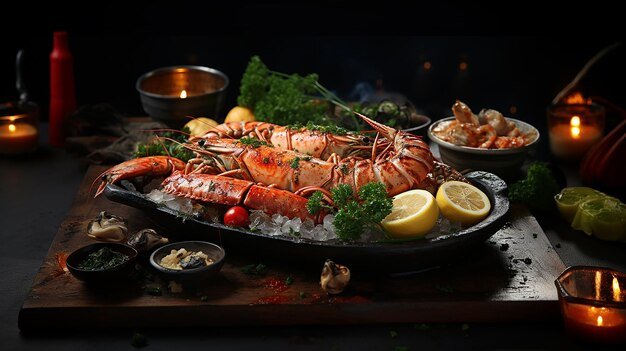
There's a special kind of culinary magic that happens when you bring seafood into your kitchen. It's an invitation to a world of fresh flavors, delicate textures, and surprisingly simple preparation that can elevate any meal. Whether you're craving a comforting, creamy bake, a vibrant stir-fry, or an elegant medley of oceanic treasures, "Seafood Delights" offer a spectrum of possibilities for the home cook. Forget the notion that seafood is only for special occasions or restaurant menus; with the right guidance, you can craft dishes that delight the senses and nourish the soul, all within the comfort of your own home.
At a Glance: Your Seafood Delight Journey
- "Seafood Delights" can mean many things: From a specific imitation crab product to a broad category of multi-seafood dishes.
- Versatility is key: These recipes adapt beautifully to creamy dips, hearty casseroles, and quick stir-fries.
- Quality matters most: Prioritize fresh ingredients, whether real crab, shrimp, scallops, or mussels, for the best results.
- Health-conscious options abound: Easily modify recipes for lower carbs, sodium, or fat without sacrificing flavor.
- Storage & reheating smarts: Learn how to safely store and reheat seafood to maintain its delicate texture and taste.
What Exactly Are "Seafood Delights"? Decoding the Term
Before we dive into the delicious recipes, let's clarify what "Seafood Delights" truly represents. The term, while evocative of any wonderful seafood dish, often refers to one of two distinct culinary concepts:
- The specific product: Often, "Seafood Delight" (or "Crab Delight") refers to imitation crab meat. This popular, budget-friendly option is typically made from wild pollock or other white fish, processed and flavored to mimic the taste and texture of real crab. Brands like Louis Kemp's "crab delights" are widely recognized for their convenience and versatility in dishes where real crab might be too expensive or inaccessible.
- The culinary concept: More broadly, a "Seafood Delight" can describe any dish that features a delightful mix of various seafood. This could be a stir-fry brimming with shrimp and scallops, a baked casserole featuring crab and white fish, or a vibrant medley of mussels and calamari. In this sense, "delight" speaks to the sheer pleasure and variety offered by the ocean's bounty.
Understanding this distinction is your first step to mastering these dishes. While imitation crab offers a fantastic base for creamy, comforting recipes, real, fresh seafood unlocks a different dimension of flavor and texture, allowing for more sophisticated and vibrant preparations. We'll explore both avenues, ensuring you have the knowledge to choose the right ingredients for your desired culinary adventure.
The Beloved Baked Imitation Crab Delight: A Creamy Classic
One of the most popular interpretations of "Seafood Delight" is a comforting, creamy baked dish, often centered around imitation crab. It's the kind of recipe that feels indulgent but comes together with surprising ease, making it perfect for a casual appetizer or a simple, satisfying meal.
This baked delight is a testament to how simple ingredients can combine to create something truly delicious. It's warm, savory, and has that undeniable "comfort food" appeal, much like a good seafood dip.
Crafting Your Own Baked Imitation Crab Delight
This recipe is incredibly forgiving and versatile. Here's how to create a foundational version that you can then adapt to your heart's content.
Ingredients You'll Need:
- 8 ounces Louis Kemp imitation crab ("crab delights"), or similar brand
- ¾ cup mayonnaise (full-fat for richness, or light for a healthier twist)
- 3 tablespoons fresh lemon juice (critical for brightness and cutting through richness)
- 2 tablespoons sliced scallion greens, plus more for garnish
- Salt and black pepper, to taste
- 1 ounce (28g) shredded mozzarella cheese
Equipment: - Four small 7 oz oven-safe ramekins (or one larger baking dish for a casserole-style)
- A medium mixing bowl
- An oven
Step-by-Step Culinary Journey:
- Preheat Your Oven: Set your oven to 400°F (200°C). This ensures even baking and a beautifully golden top.
- Prepare the "Crab": Gently break or chop the imitation crab chunks into smaller, bite-sized pieces. The goal is a pleasant texture, not a paste. Thinly slice your scallions for maximum flavor distribution.
- Mix Your Magic Base: In your medium bowl, combine the prepared imitation crabmeat, mayonnaise, fresh lemon juice, scallion greens, salt, and pepper. Stir everything together until well combined. The mixture should be creamy and fragrant.
- Divide and Conquer: Evenly divide the mixture among your four small oven-safe ramekins. If using a larger baking dish, simply spread the mixture evenly.
- Cheesy Crown: Generously sprinkle the shredded mozzarella cheese over the top of each ramekin. This will melt into a bubbly, golden crust.
- Bake to Perfection: Place the ramekins on an oven rack positioned 1/3 down from the top. Bake for 7-10 minutes. You're looking for the cheese to be melted and bubbly, with a slight golden hue.
- Garnish & Serve: Carefully remove the ramekins from the oven. Garnish with a little more fresh sliced scallions for a pop of color and extra flavor. Serve immediately with your choice of accompaniments.
Serving Suggestions & Pro Tips:
- Versatile Serving: This "delight" is fantastic served warm as a dip with sturdy crackers, crostini, or even toasted baguette slices.
- English Muffin Magic: For a quick, satisfying meal, spread a warm ramekin's worth over a toasted English muffin.
- Cold Comfort: Don't underestimate this dish chilled! Once cooled, it transforms into a delicious "seafood salad" filling, perfect for sandwiches or lettuce wraps.
- No Spray Needed: Thanks to the mayonnaise in the mixture, you won't need to oil your ramekins; the dish won't stick.
Customizing Your Creamy Delight
This base recipe is a canvas for your creativity.
- Seafood Swaps: While imitation crab is the star, consider substituting it with real lump crab meat for a more luxurious version. Chopped cooked shrimp, scallops, or even lobster can also create delicious variations.
- Veggie Boost: For a heartier dish, especially if making a larger casserole, fold in some chopped, steamed vegetables like broccoli florets, diced carrots, finely chopped onion, or tender snow peas. This elevates it to a "Chinese buffet crab casserole" style.
- Flavor Twists: A pinch of Old Bay seasoning, a dash of hot sauce, or a sprinkle of garlic powder can add extra depth.
Nutritional Insights: A Dietitian's Perspective
While undeniably delicious, it's helpful to be mindful of the nutritional profile of this creamy delight.
- Calorie Content: A single serving (without added salt or accompaniments) of the baked imitation crab delight averages around 348 calories. The primary contributor to this is the mayonnaise, which is high in fat. For those managing weight, portion control is key.
- Carbohydrates: With approximately 11.6 grams of carbohydrates per serving (and around 10 grams for a Chinese seafood buffet version), this recipe is relatively low-carb and keto-friendly.
- Sodium: Sodium content can be a concern, with the baked imitation crab delight hitting around 561mg per serving and a Chinese buffet dish potentially reaching ~1400mg (over half the recommended daily limit!). Be mindful of the sodium in imitation crab itself, as well as any added salt.
- Low-Carb Serving: To keep it strictly low-carb, swap crackers or bread for crisp cucumber slices, mini bell peppers, or crunchy celery sticks.
Embrace the flavors, but adjust ingredients or portion sizes to align with your dietary goals.
Beyond the Bake: Exploring Chinese Seafood Delights
Moving from the creamy comfort of a baked dish, "Seafood Delights" also find a vibrant expression in Chinese cuisine, often seen as a beloved stir-fry or a baked casserole. These dishes burst with fresh vegetables, succulent seafood, and a delicate, savory sauce that ties everything together. This style truly celebrates the delicate flavors and textures of a variety of seafood, perhaps even inspiring you to seek out fresh fish dining experiences that showcase similar principles of ingredient quality.
The Stir-Fry: A Symphony of Flavors and Textures
A classic Chinese "Seafood Delight" stir-fry combines tender seafood (like shrimp, scallops, or crab meat) with crisp-tender vegetables, all coated in a light, flavorful white sauce. It's a quick, healthy, and incredibly satisfying meal.
The Signature White Sauce: The Heart of the Stir-Fry
This delicate sauce provides a silky coating without overpowering the natural flavors of the seafood and vegetables.
Ingredients for the White Sauce:
- 2 tablespoons butter (or neutral cooking oil like grapeseed or vegetable)
- 2 tablespoons all-purpose flour
- 1 cup milk (any fat percentage)
- ½ cup chicken broth (low-sodium preferred)
- ¼ teaspoon salt
- 1/8 teaspoon black pepper
- Optional additions: 1 clove minced garlic, ½ teaspoon grated fresh ginger for aromatic depth.
Crafting the Sauce:
- Melt & Whisk: In a small saucepan over medium heat, melt the butter. Add the flour and whisk continuously for 1-2 minutes to create a smooth roux. This cooks out the raw flour taste.
- Gradual Liquids: Slowly add the milk and chicken broth, whisking constantly to prevent lumps. Consistency is key here.
- Thicken & Simmer: Bring the mixture to a boil, then immediately reduce the heat to low. Simmer for 5-10 minutes, whisking occasionally, until the sauce thickens to your desired consistency.
- Season & Finish: Season with salt and pepper to taste. If using, stir in garlic and ginger during the last minute of simmering for maximum flavor. Remove from heat and set aside.
Integrating Chinese Seafood Delights into Your Menu:
- Stir-Fry Basics:
- Prep Everything First: Chop all your vegetables (broccoli, carrots, snow peas, bell peppers, water chestnuts) and seafood before you start cooking.
- High Heat, Quick Cook: Heat a wok or large skillet over high heat. Add a touch of oil.
- Sear Seafood: Quickly sear your shrimp and scallops until just cooked through (a minute or two per side). Remove and set aside.
- Stir-Fry Veggies: Add denser vegetables first (carrots, broccoli), then softer ones (snow peas, bell peppers). Cook until crisp-tender.
- Combine & Sauce: Return the seafood to the pan, pour in your prepared white sauce, and toss everything gently to coat. Serve immediately over steamed rice or noodles.
- Baked Chinese Seafood Casserole:
- This is a heartier version, often featuring crab meat (real or imitation), cheese, a variety of steamed vegetables, and sometimes rice all baked together with a creamy sauce.
- You can adapt the baked imitation crab delight recipe by adding steamed vegetables, a larger quantity of the white sauce, and even a layer of cooked rice at the bottom before baking. Top with extra cheese for a golden finish.
This style of "Seafood Delight" allows for immense creativity with vegetables and spices, offering a fresh, light, and customizable meal.
The Oceanic Bliss: Crafting a Multi-Seafood Masterpiece
Beyond the specific "Seafood Delight" recipes, there's the broader concept of creating a "Seafood Delight" as a true celebration of the ocean's bounty. This often involves a medley of various seafood like shrimp, scallops, and mussels, expertly combined to highlight their individual flavors and textures. The key to success here lies in the quality of your ingredients and a respectful approach to cooking them.
Imagine a dish where plump shrimp, tender scallops, and briny mussels mingle in a fragrant sauce. This is what we mean by "Oceanic Bliss"—a truly delightful and versatile meal that can be dressed up or down. This commitment to quality ingredients and careful preparation is why establishments renowned for their marine offerings, such as the Best Seafood at Reykjavik Harbor, stand out.
Key Principles for Success with Multi-Seafood Dishes
- Sourcing Freshness: This is non-negotiable. Look for seafood that smells clean (like the ocean, not "fishy"), has vibrant colors, and firm texture. Build a relationship with a reputable fishmonger if possible.
- Don't Rush the Sauté: When pan-searing, ensure your pan is hot enough to create a good sear, but don't overcrowd it. Cook seafood in batches if necessary to prevent steaming.
- Respect Cooking Times: Each type of seafood has its own ideal cooking window. Overcooking is the cardinal sin, turning delicate textures rubbery.
- Balance of Flavors: Choose aromatics and sauces that complement, rather than overpower, the natural sweetness and brininess of the seafood.
A Framework for Your Oceanic Medley
While a precise recipe can vary greatly, here’s a conceptual framework for creating your own multi-seafood delight:
- Choose Your Stars: Select 2-4 types of seafood. Popular choices include:
- Shrimp: Peeled, deveined, medium to large.
- Scallops: Sea scallops (larger) or bay scallops (smaller).
- Mussels/Clams: Fresh, scrubbed, debearded (mussels).
- Calamari: Rings and tentacles, or whole tubes sliced.
- Fish: Firm white fish like cod, snapper, or halibut, cut into chunks.
- Crab Meat: Lump crab meat (real) for added luxury.
- Aromatics & Base: Start with sautéed garlic and shallots in olive oil or butter. A splash of white wine or a light broth adds depth.
- Cooking in Stages:
- Sauté the firmest seafood first: Scallops and shrimp usually go in first for a quick sear. Remove them from the pan.
- Add softer seafood/shellfish: Mussels or clams can be added next with a lid on to steam open.
- Return previous seafood: Once the sauce is built, return the seared shrimp and scallops to the pan just to warm through.
- Fresh Herbs & Finish: A sprinkle of fresh herbs like basil, dill, or parsley, and a squeeze of lemon juice at the end brighten the dish beautifully.
Flavor Adventures: Customizing Your Seafood Medley
The beauty of a multi-seafood dish is its adaptability.
- Spice it Up: Add diced jalapeños, a pinch of cayenne pepper, or a dash of red pepper flakes early in the cooking process for a kick.
- Mediterranean Twist: Incorporate pitted Kalamata olives, capers, sun-dried tomatoes, and a sprinkle of oregano for a vibrant, tangy profile.
- Asian Influence: A touch of soy sauce, ginger, and sesame oil can transform the dish, especially when paired with ingredients like snow peas and water chestnuts.
- Creamy Indulgence: A swirl of heavy cream or coconut milk at the end can create a richer, more luxurious sauce.
Whether you're crafting a quick weeknight meal or an impressive dinner party centerpiece, a multi-seafood delight is a fantastic way to showcase the incredible flavors of the ocean.
Mastering Seafood Storage and Reheating
Proper handling of seafood, both before and after cooking, is paramount for food safety and maintaining quality. Seafood is delicate, and a few simple rules can ensure your "Seafood Delights" remain just that—delightful.
Best Practices for Storing Leftovers
Even the most delicious meal can be ruined if not stored correctly.
- Rapid Cooling: After cooking, cool your seafood dish to room temperature as quickly as possible (within 1-2 hours) before refrigerating. Spreading it thinly on a plate can help speed this up.
- Airtight Containers: Transfer cooled seafood to an airtight container. This prevents odor transfer in your fridge and protects the seafood from absorbing other flavors.
- Refrigeration Limits: Cooked seafood should be consumed within 1-2 days when stored in the refrigerator. The delicate nature of seafood means it has a shorter shelf life than many other cooked proteins.
- Freezing for Longer Term (with caveats):
- You can freeze cooked seafood dishes for up to 3 months.
- Expect a texture change: Freezing and thawing can sometimes alter the texture of seafood, making it slightly tougher or drier. This is especially true for shrimp and scallops. Mussels, after being cooked, might become a bit chewier.
- Label your containers with the date to keep track.
Reheating Seafood Like a Pro
Avoid the dreaded rubbery texture! Reheating seafood requires a gentle touch to preserve its tenderness and flavor.
- Stovetop is Best: This is generally the preferred method for most seafood dishes.
- Place the seafood in a skillet or saucepan over low heat.
- Add a splash of water or broth to the pan. This creates steam and prevents the seafood from drying out.
- Stir occasionally and gently until the dish is heated through. This usually takes only a few minutes.
- Oven for Casseroles: For baked "Seafood Delight" casseroles, preheat your oven to a moderate temperature (around 275-300°F or 135-150°C). Cover the dish loosely with foil to prevent drying and bake until heated through, typically 15-20 minutes.
- Avoid the Microwave: While convenient, microwaves tend to cook unevenly and can easily overcook seafood, leading to that undesirable rubbery texture. Use it only as a last resort, and in very short bursts, stirring frequently.
By following these storage and reheating guidelines, you can safely enjoy your "Seafood Delights" for another meal, minimizing waste and maximizing deliciousness. This careful approach to preservation and reheating is a hallmark of culinary excellence, a skill honed in places known for their outstanding seafood, much like how Reykjavik's best langoustine spots prioritize serving their delicate catch perfectly.
Common Questions & Expert Tips for Your Seafood Journey
Venturing into the world of "Seafood Delights" often brings up practical questions. Here are some common queries and expert advice to guide your culinary adventures.
Is imitation crab healthy?
Imitation crab is a processed food, typically made from white fish (like pollock), starch, egg whites, and crab flavoring. While it is low in fat, it tends to be higher in sodium and carbohydrates compared to real crab meat. It can be part of a balanced diet when consumed in moderation, but it's not a direct nutritional substitute for real crab. Always check the nutrition label, especially for sodium content.
How do I choose fresh seafood?
Choosing quality seafood is crucial for any "Seafood Delight." Here’s what to look for:
- Smell: It should smell clean, like a fresh ocean breeze, or virtually odorless. A strong "fishy" smell means it's past its prime.
- Appearance: Fish fillets should be glistening and firm, not dull or slimy. Shrimp and scallops should have a translucent, firm appearance. Mussels and clams should be tightly closed (discard any that are open and don't close when tapped).
- Source: Purchase from a reputable fishmonger or a store with high seafood turnover. Don't hesitate to ask when the seafood arrived.
Can I make these dishes ahead of time?
Some components can be prepped, but assembling and cooking fresh is best for texture.
- Baked Imitation Crab Delight: The mixture can be prepared and stored in the fridge for up to a day. Add the cheese and bake just before serving.
- Stir-Fries: Chop all vegetables and prepare the sauce ahead of time. Cook the seafood and vegetables fresh right before eating for the best texture.
- Multi-Seafood Medleys: Assembling and cooking this fresh is highly recommended to prevent any seafood from becoming watery or tough. You can have your aromatics prepped and seafood portioned.
What are good wine pairings for seafood?
Generally, white wines are excellent with seafood, but the best pairing depends on the dish's richness and flavor profile:
- Creamy/Baked Delights: Crisp, unoaked Chardonnay, Sauvignon Blanc, or Pinot Grigio.
- Light Stir-fries/Oceanic Medleys: Dry Riesling, Albariño, or a light-bodied Pinot Grigio.
- Spicier Seafood Dishes: Off-dry Riesling or Gewürztraminer can beautifully balance the heat.
- Heartier Fish (like salmon) or richer sauces: A light-bodied Pinot Noir can be a surprising and delightful red wine pairing.
Why is my seafood rubbery?
The number one culprit for rubbery seafood is overcooking. Seafood cooks very quickly due to its low fat content and delicate muscle fibers.
- Shrimp: Cook until just pink and opaque, curling into a 'C' shape. If it forms an 'O' it's likely overcooked.
- Scallops: Sear for 1-2 minutes per side until golden brown and opaque in the center.
- Fish: Cook until it flakes easily with a fork.
- Mussels/Clams: Cook until they open. Discard any that remain closed.
Always err on the side of slightly undercooking, as residual heat will continue to cook the seafood for a minute or two after it's removed from the heat.
Your Next Seafood Adventure Awaits
From the comforting embrace of a creamy baked delight to the vibrant dance of a multi-seafood stir-fry, the world of "Seafood Delights" is rich with possibilities for the home cook. We've explored how a simple product like imitation crab can transform into a beloved appetizer, how a balanced white sauce can elevate a Chinese stir-fry, and how fresh, quality ingredients are the foundation of any oceanic masterpiece.
Armed with these recipes, tips, and insights, you're ready to confidently tackle any seafood challenge. Experiment with different types of fish, vegetables, and seasonings. Don't be afraid to make these dishes your own, adjusting them to suit your palate and the ingredients you have on hand. The ocean's bounty offers endless inspiration, and with a little knowledge and practice, you can bring the magic of "Seafood Delights" to your table, creating memorable meals that are both delicious and incredibly satisfying. So, tie on that apron, grab your freshest ingredients, and embark on your next delightful seafood journey!