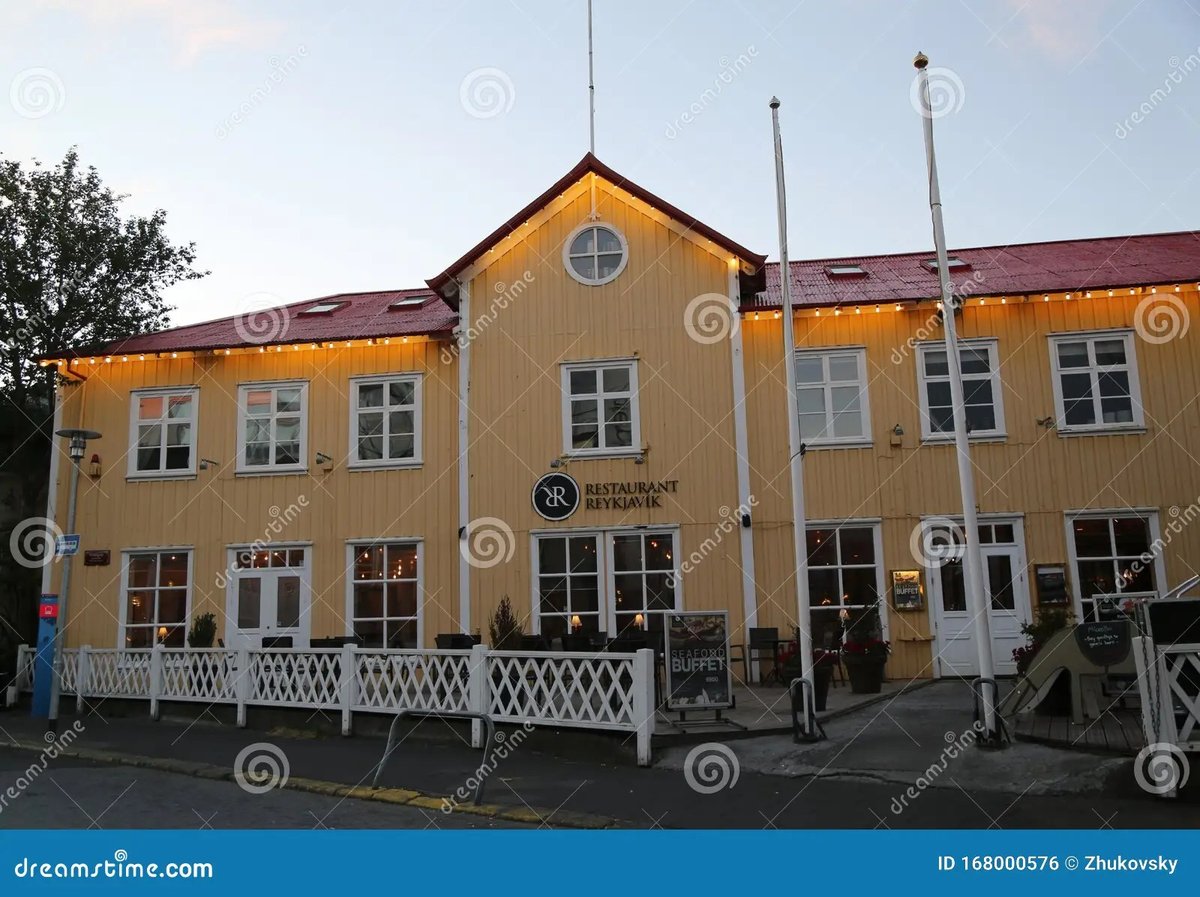
Reykjavik's culinary scene is a vibrant testament to Iceland's spirit of innovation, especially when it comes to reimagining its ancient foodways. If you're wondering where to eat modern Icelandic cuisine in Reykjavik, you're looking for more than just a meal; you're seeking an experience that artfully bridges Viking heritage with contemporary global influences. This isn't about traditional hákarl (unless it's presented with an ironic, modern twist), but rather about chefs elevating local, sustainable ingredients into sophisticated, memorable dishes that tell a story of the island's unique terroir.
At a Glance: Crafting Your Modern Icelandic Culinary Journey
- Identify the Modern Twist: Look for menus that re-interpret traditional ingredients (lamb, skyr, fish, berries) with contemporary techniques and presentation.
- Prioritize Local & Seasonal: The best spots champion Iceland's pristine produce, often mentioning free-range lamb, wild berries, and geothermal vegetables.
- Experience Diverse Formats: From refined tasting menus to innovative bistros and casual-chic eateries, modern Icelandic cuisine spans various dining styles.
- Don't Overlook Drinks: Many establishments feature creative cocktails infused with Arctic herbs or local spirits.
- Be Prepared for Pricing: Dining out, especially for quality modern cuisine, reflects Iceland's generally higher cost of living.
- Reservations are Key: For popular or high-end restaurants, booking ahead is essential, particularly during peak season.
Unpacking Modern Icelandic Cuisine: A Blend of Old and New
Modern Icelandic cuisine isn't just a trend; it's a philosophy born from a rich history of resilience and resourcefulness. It honors the core elements of the island's culinary past—its unparalleled seafood, grass-fed lamb, and unique dairy products like skyr—while embracing sophisticated cooking methods and global perspectives. Think less about rustic sustenance and more about thoughtful composition, delicate flavors, and artistic plating. Chefs in Reykjavik are constantly pushing boundaries, infusing dishes with foraged Arctic herbs, incorporating sustainably harvested seaweed, and even utilizing geothermal cooking techniques in new ways.
To truly understand this evolution, it's helpful to first grasp the deep roots from which these innovations spring. For a broader context on how these traditions have shaped the contemporary plate, it’s worth taking a moment to Explore Iconic Icelandic Cuisine. This foundational knowledge will illuminate the subtle nods to heritage you’ll find in Reykjavik’s most innovative kitchens.
Navigating Reykjavik's Dining Scene: Where Innovation Lives
Reykjavik offers a diverse array of establishments where you can savor modern Icelandic cuisine. Each type of venue provides a slightly different take on this exciting culinary movement.
The Refined Tasting Menu Experience
For those seeking an immersive, multi-course journey, Reykjavik boasts several restaurants specializing in tasting menus. These establishments are often at the forefront of culinary innovation, transforming humble Icelandic ingredients into gastronomic art. Here, you'll encounter dishes that are visually stunning and intellectually engaging, offering a narrative of the landscape on your plate.
What to Expect:
- Artistic Presentation: Each dish is meticulously plated, often resembling a miniature landscape or a piece of abstract art.
- Novel Pairings: Expect ingredients like Arctic char paired with a delicate crowberry sauce, or birch-flavored lamb served with unexpected textures and accompaniments.
- Emphasis on Terroir: Menus frequently highlight the origin of ingredients, from specific fishing grounds to a particular geothermal greenhouse.
- Wine & Cocktail Pairings: Sommeliers and mixologists craft beverage pairings that complement the intricate flavors of the food, sometimes featuring herb-infused cocktails or unique Icelandic spirits.
Example Scenario: Imagine a tasting menu starting with a deconstructed plokkfiskur (fish stew) – a quenelle of creamy cod foam, a crisp potato tuile, and a drizzle of dill oil. This is followed by pan-seared scallops harvested from cold Icelandic waters, served with a vibrant purée of geothermally grown vegetables and a sprinkle of seaweed flakes, offering an umami burst. The main course might be a perfectly rendered lamb loin, subtly smoked over Icelandic birch, accompanied by wild bilberries and a reduction of local herbs.
Elevated Bistros & Casual Fine Dining
These restaurants strike a balance between refined techniques and a more relaxed atmosphere. They are excellent choices for a sophisticated dinner without the full commitment of a tasting menu, often featuring à la carte options that allow you to curate your own experience.
What to Expect:
- Sophisticated Comfort Food: Many dishes are recognizable Icelandic classics, but elevated with premium ingredients and modern culinary execution. Think a luxurious kjötsúpa (meat soup) with slow-cooked, tender lamb, or an exquisitely prepared humar (langoustine) soup, rich and creamy.
- Ingredient Spotlights: Menus will often feature specific prime ingredients, such as mountain lamb or freshly caught Arctic char.
- Stylish Ambience: Interiors are typically chic and contemporary, reflecting Nordic design principles.
- Creative Small Plates: Ideal for sharing, these allow you to sample a wider range of modern Icelandic flavors. Examples include rye bread bruschetta topped with smoked trout and a hint of dill, or skyr-based dips with geothermal cucumber.
Example Scenario: You might begin with graflax presented as delicate, translucent slices of cured salmon, accompanied by a vibrant mustard-dill sauce and toasted rúgbrauð (rye bread) crisps. For the main, consider a perfectly seared fillet of cod, flaky and moist, served atop a bed of creamy barley risotto infused with local herbs and a side of roasted root vegetables grown in geothermal greenhouses. A dessert might feature a light and airy skyr mousse, crowned with a compote of foraged crowberries and a drizzle of birch syrup.
Innovative Gastropubs & Modern Cafes
For a more relaxed but still distinctly modern Icelandic experience, several gastropubs and cafes are embracing contemporary culinary trends. These spots are fantastic for lunch, a casual dinner, or even a sophisticated snack.
What to Expect:
- Creative Pub Fare: Think gourmet versions of Icelandic hot dogs (pylsur) made with premium lamb and inventive toppings, or elevated fish and chips using impeccably fresh catch.
- Focus on Local Beers & Beverages: These places often pair their modern dishes with a selection of Icelandic craft beers or innovative mocktails.
- Hearty, Yet Refined Dishes: Expect dishes like a deconstructed plokkfiskur presented as fish cakes with a tangy relish, or a flavorful lamb burger featuring free-range Icelandic lamb and unique sauces.
- Lively, Casual Atmosphere: These venues are usually bustling and energetic, perfect for a relaxed meal with friends or family.
Example Scenario: At a modern gastropub, you could order "New Nordic Rye Bread" – a contemporary take on rúgbrauð, perhaps baked with a denser crumb and served with artisanal butter, smoked salmon, and a sprinkle of Arctic thyme. A main could be a "Smoked Trout Salad" featuring fresh greens, walnuts, apples, and a light skyr-based dressing. You might even find geothermally cooked soups, reinterpreted with global spices and a fresh, local twist, offered as a warming lunch option.
Navigating the Menu: What to Order (and Why)
When faced with a menu in a modern Icelandic restaurant, knowing what to look for can elevate your experience. Focus on dishes that showcase the "modern" aspect, often blending traditional ingredients with innovative preparations.
- Birch-Flavored Lamb: This is a clear indicator of modern innovation. It's a contemporary twist on traditional hangikjöt (smoked lamb), focusing on more subtle, aromatic notes from Icelandic birch rather than the heavier smoke of traditional methods. It highlights the unique flavor profile of Iceland's free-range lamb.
- Arctic Char with Crowberry Sauce: A quintessential modern Icelandic pairing. Arctic char, a pristine freshwater fish, is often delicately prepared to let its natural flavors shine, while crowberry sauce introduces a uniquely tart, earthy sweetness from local wild berries.
- Skyr Mousse with Wild Berry Compote: This dessert exemplifies how a traditional staple like skyr (a versatile dairy product similar to yogurt but technically a cheese) is transformed into a light, elegant finish. The wild berry compote, featuring bilberries or crowberries, adds a burst of local flavor.
- New Nordic Rye Bread (Rúgbrauð): While rúgbrauð is a classic, "New Nordic" implies a modern interpretation. This could mean a more refined texture, innovative leavening, or being served with elevated accompaniments like smoked trout, creamy Icelandic butter, or a unique herb spread.
- Herb-Infused Cocktails & Seaweed-Seasoned Dishes: Keep an eye out for these. Cocktails featuring Arctic thyme or angelica are a modern twist on local flora. Seaweed, increasingly harvested from Icelandic shores, adds a unique umami depth and mineral notes to various dishes, from seafood to vegetarian options.
- Geothermally Cooked Soups (with a twist): While traditional, if a menu highlights a soup cooked using geothermal heat but with "modern ingredients" or "fusion flavors," it's a chef’s nod to heritage with a contemporary flourish. This shows a deep connection to Iceland's natural resources and innovative thinking.
Beyond the Plate: Enhancing Your Modern Icelandic Dining Experience
- Reservations are a Must: For popular spots, especially on weekends or during peak tourist seasons (summer, holidays), securing a reservation well in advance is crucial. Some high-demand restaurants can be booked weeks ahead.
- Budgeting for the Experience: Dining out in Reykjavik, particularly at establishments focusing on modern Icelandic cuisine, tends to be expensive. Expect prices to be comparable to major European or North American cities. Main courses often range from 4,000 ISK to 8,000 ISK or more, with tasting menus significantly higher. View it as an investment in a unique cultural and culinary experience.
- Dress Code: While Iceland generally has a relaxed atmosphere, for high-end modern Icelandic restaurants, smart casual attire is usually appropriate. You don't need a suit and tie, but avoid overly casual wear like athletic gear.
- Embrace the Story: Many chefs are passionate about their ingredients and their culinary philosophy. Don't hesitate to ask your server about the origin of a dish or the inspiration behind a particular pairing. This interaction often adds a deeper layer of appreciation to your meal.
- Consider a Food Tour: If you want a guided introduction to Reykjavik's modern culinary scene, a specialized food tour can be invaluable. These tours often visit a curated selection of eateries, offering tastings and insights you might miss on your own.
Practical Playbook for Your Culinary Journey
- Define Your Vibe: Decide if you're looking for a formal tasting menu, a stylish bistro, or a casual but innovative meal. This will narrow your search.
- Research Menus Online: Most modern Icelandic restaurants have their current menus available online. Look for keywords like "local," "seasonal," "foraged," "Arctic thyme," "crowberry," "birch," and specific Icelandic seafood or lamb preparations that sound intriguing.
- Prioritize Reservations: Once you have a shortlist, book your table immediately, especially if you have specific dates or times in mind.
- Open Your Palate: Be willing to try new flavors and combinations. Modern Icelandic cuisine is all about respectful innovation.
- Engage with the Staff: Ask questions. Chefs and servers often love to share the stories behind their dishes and ingredients.
Quick Answers: Modern Icelandic Dining FAQs
Q: Is "modern" Icelandic cuisine too experimental for someone who prefers traditional flavors?
A: Not necessarily. Modern Icelandic cuisine often builds upon traditional flavors, reinterpreting them with lighter touches, refined techniques, and creative pairings. While some dishes are truly avant-garde, many are recognizable classics elevated to a new level. If you enjoy lamb, fish, and berries, you'll likely find something delicious and familiar, yet excitingly new.
Q: How do I know if a restaurant truly offers "modern" Icelandic food versus just traditional dishes?
A: Look for descriptions that emphasize "innovation," "seasonal ingredients," "creative presentation," or specific pairings like "Arctic char with crowberry" or "birch-flavored lamb." Traditional restaurants might offer classic kjötsúpa or plokkfiskur, but modern establishments will likely give these dishes a unique, elevated twist or feature ingredients like seaweed or foraged herbs in unexpected ways.
Q: Are there vegetarian or vegan options in modern Icelandic restaurants?
A: Yes, the focus on fresh, local, and geothermally grown vegetables means many modern Icelandic restaurants are increasingly accommodating to vegetarian and vegan diets. While lamb and seafood are central, chefs are adept at creating beautiful dishes with root vegetables, wild mushrooms, and local grains. It's always best to check the menu online or call ahead to confirm specific options.
Q: Can I find modern Icelandic cuisine outside of Reykjavik city center?
A: While Reykjavik is the epicenter of modern Icelandic cuisine, you can find excellent examples in smaller towns or hotels throughout the country, especially those with a strong focus on local sourcing. However, the highest concentration and diversity of innovative dining experiences will be found in the capital.
Q: Is it okay to just walk in for dinner at a modern Icelandic restaurant?
A: For more casual or bistro-style places, a walk-in might be possible, especially on weekdays or during off-peak hours. However, for any restaurant you're particularly keen on, especially those known for their tasting menus or popularity, making a reservation is highly recommended to avoid disappointment.
Your Next Culinary Adventure Awaits
Reykjavik's modern Icelandic cuisine is more than just a meal; it's a dialogue between history and future, nature and innovation. By understanding what defines this culinary movement and knowing what to look for, you're well-equipped to embark on a delicious journey that celebrates the unique flavors of this remarkable island. Prepare to be delighted by how Iceland's culinary artisans transform pristine ingredients into unforgettable gastronomic experiences.